

11 Possible Causes of a Honda GX390 Not Starting and How to Fix Them
If your Honda GX390 won’t start, start with the simple checks first: battery, fuse, fuel valve, choke, engine switch, oil level, fuel supply, fuel quality, and spark plug. If these checks do not solve the problem, the issue may involve the fuel system, carburetor, ignition system, or valves and may require professional diagnosis.

Table of Contents
- 1. Engine Switch Is Off
- 2. Fuel Valve Is Off
- 3. Engine Is Out of Fuel
- 4. Choke Is Open
- 5. Engine Oil Level Is Too Low
- 6. Battery Is Discharged
- 7. Fuse Is Burnt Out
- 8. Bad or Old Fuel
- 9. Spark Plug Is Faulty or Fouled
- 10. Spark Plug Is Wet From a Flooded Engine
- 11. Fuel System, Ignition, or Valve Problem
- Honda GX390 Troubleshooting Checklist
- Need Honda GX390 Repair in DFW?
1. Engine Switch Is Off
It is easy to overlook the engine switch, especially when multiple pieces of equipment are being used on a busy jobsite.

How to solve it
- Locate the engine switch.
- Check that it is in the ON position.
- Try starting the Honda GX390 again.
Before moving on to more complicated troubleshooting, always check the basic controls first.
2. Fuel Valve Is Off
The engine needs fuel to reach the carburetor. If the fuel valve is in the OFF position, the engine may not receive fuel.
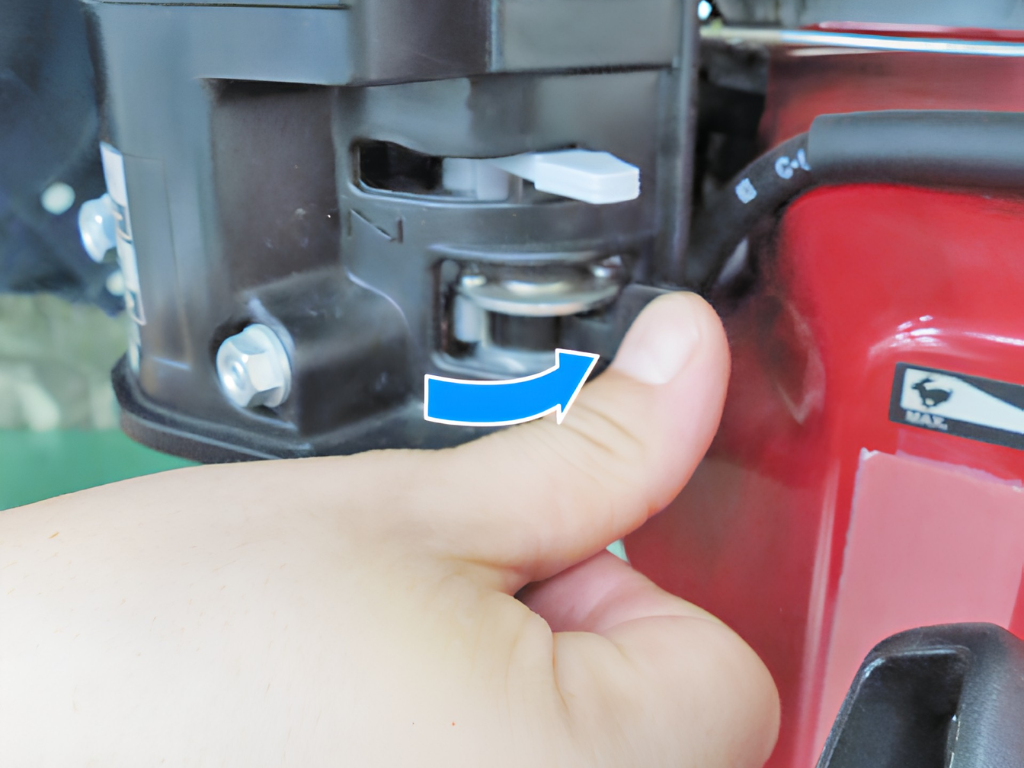
How to solve it
- Locate the fuel valve.
- Check its position.
- Move the fuel valve lever to the ON position.
- Try starting the engine again.
This is one of the simplest things to check when a GX390 suddenly will not start.
3. Engine Is Out of Fuel
A GX390 cannot start if there is not enough fuel in the tank.

How to solve it
- Turn the engine off.
- Open the fuel cap carefully.
- Check the fuel level inside the tank.
- If the tank is empty or too low, refill it with the recommended fuel.
- Make sure the fuel valve is in the ON position.
- Try starting the engine again.
If the engine has been completely run out of fuel, it may take additional starting attempts for fuel to reach the carburetor.
4. Choke Is Open
A cold engine may have difficulty starting if the choke is not positioned correctly.

How to solve it
- If the engine is cold, move the choke lever to the CLOSED position.
- Start the engine.
- Once the engine starts and warms up, gradually move the choke toward the OPEN position.
Important: If the engine is already warm, the choke may not need to be closed for starting.
5. Engine Oil Level Is Too Low
A low engine oil level can prevent the engine from operating normally. Honda GX engines can be equipped with an oil alert system that helps protect the engine when the oil level is too low.
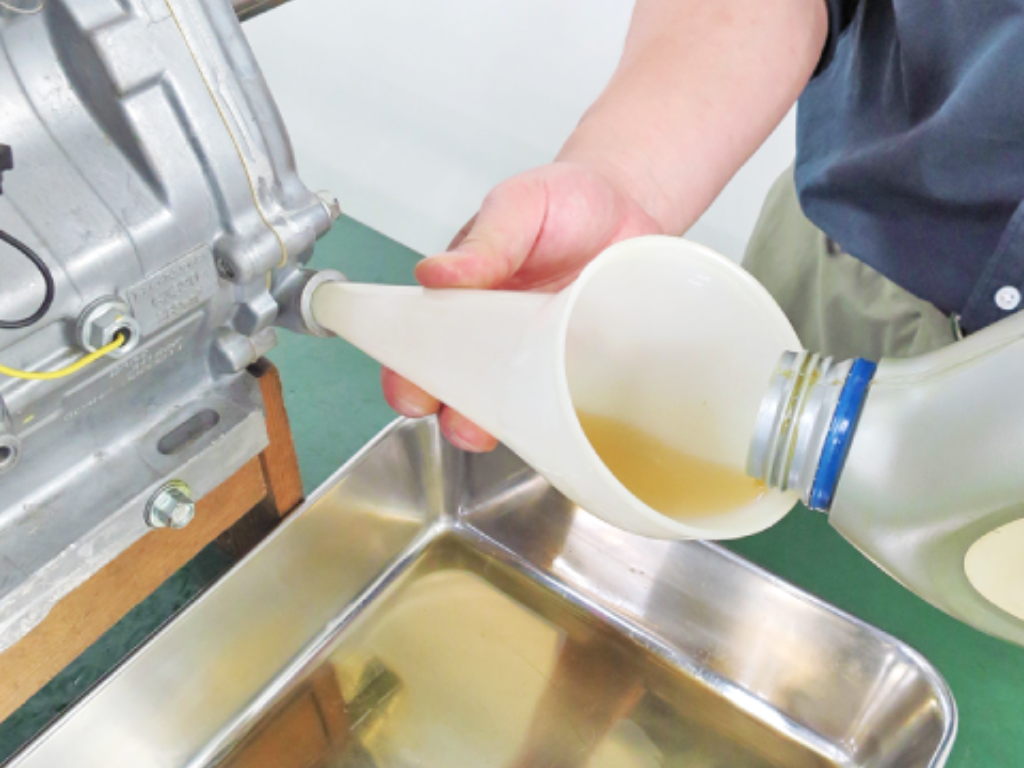
How to solve it
- Place the engine on a level surface.
- Check the engine oil level.
- If the level is low, add the recommended engine oil.
- Fill the oil to the proper level.
- Check the level again before attempting to start the engine.
Do not overfill the engine. Use the appropriate oil recommended for your specific GX390 engine and operating conditions.
6. Battery Is Discharged
If your Honda GX390 uses an electric starting system, a discharged battery can prevent the engine from starting.
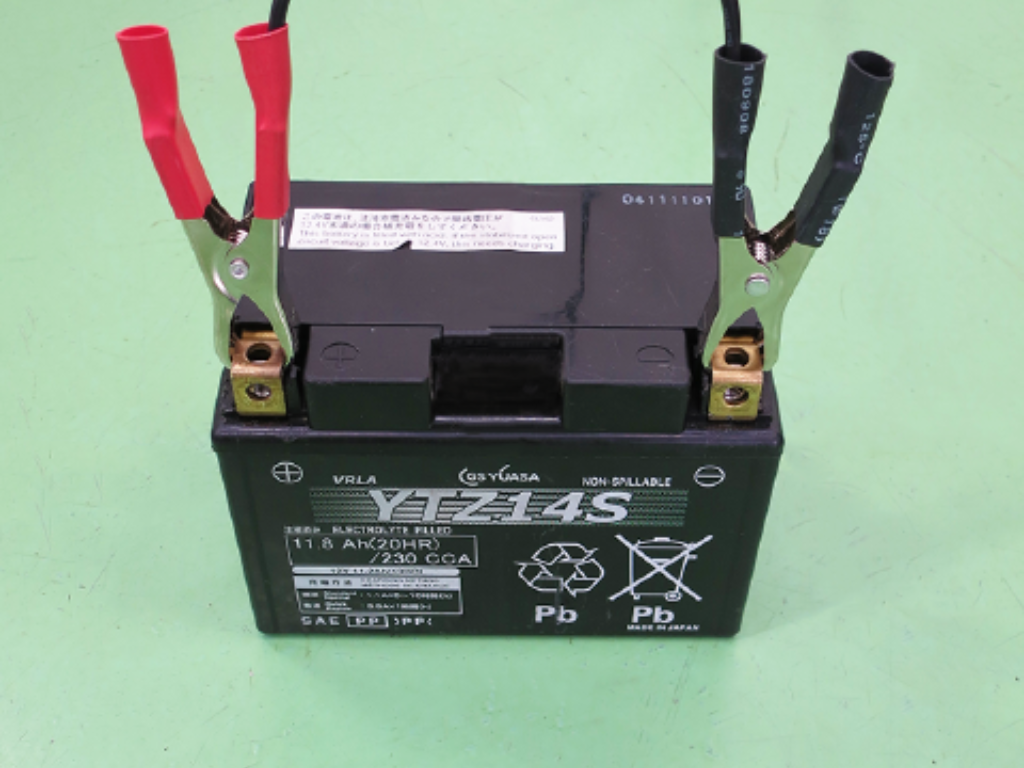
How to solve it
- Check the battery condition.
- Recharge the battery.
- Try starting the engine again after the battery has been adequately charged.
- If the battery repeatedly loses its charge, further battery or charging-system diagnosis may be necessary.
7. Fuse Is Burnt Out
A blown fuse can interrupt the electrical circuit needed to start the engine.

How to solve it
- Check the fuse.
- If the fuse is burnt out, replace it with the correct replacement fuse.
- Try starting the engine again.
If a replacement fuse burns out again, avoid repeatedly replacing it without finding the underlying electrical problem.
8. Bad or Old Fuel
Fuel quality is an important factor when troubleshooting a small engine that will not start.
Gasoline can deteriorate when equipment is stored for an extended period, particularly if the fuel system was not properly prepared for storage.
Bad fuel caused by:
- Storing the engine without treating or draining gasoline
- Old gasoline
- Contaminated fuel
- Refueling with bad gasoline

How to solve it
- Drain the fuel tank.
- Drain the carburetor.
- Dispose of the old or contaminated fuel properly.
- Refill the tank with fresh, recommended gasoline.
- Try starting the engine again.
This is particularly important for construction equipment or rental fleet equipment that may sit unused for extended periods.
9. Spark Plug Is Faulty or Fouled
The spark plug is essential for igniting the fuel-air mixture inside the engine. A faulty, dirty, fouled, or incorrectly gapped spark plug can cause a no-start condition.

How to solve it
- Turn the engine off and allow it to cool.
- Remove the spark plug.
- Inspect the plug for fouling, deposits, or damage.
- Clean the spark plug if it is still serviceable.
- Check and adjust the spark plug gap as required.
- Reinstall the spark plug.
- Try starting the engine.
If cleaning and correctly gapping the spark plug does not solve the problem, replace it with a new spark plug that matches the specification for your Honda GX390.
Tip: A spark plug is also one of the routine maintenance items covered in our Honda GX390 maintenance guide. Regular inspection and replacement can help prevent starting problems.
10. Spark Plug Is Wet From a Flooded Engine
If too much fuel enters the combustion chamber, the engine can become flooded. One indication can be a spark plug that is wet with fuel.
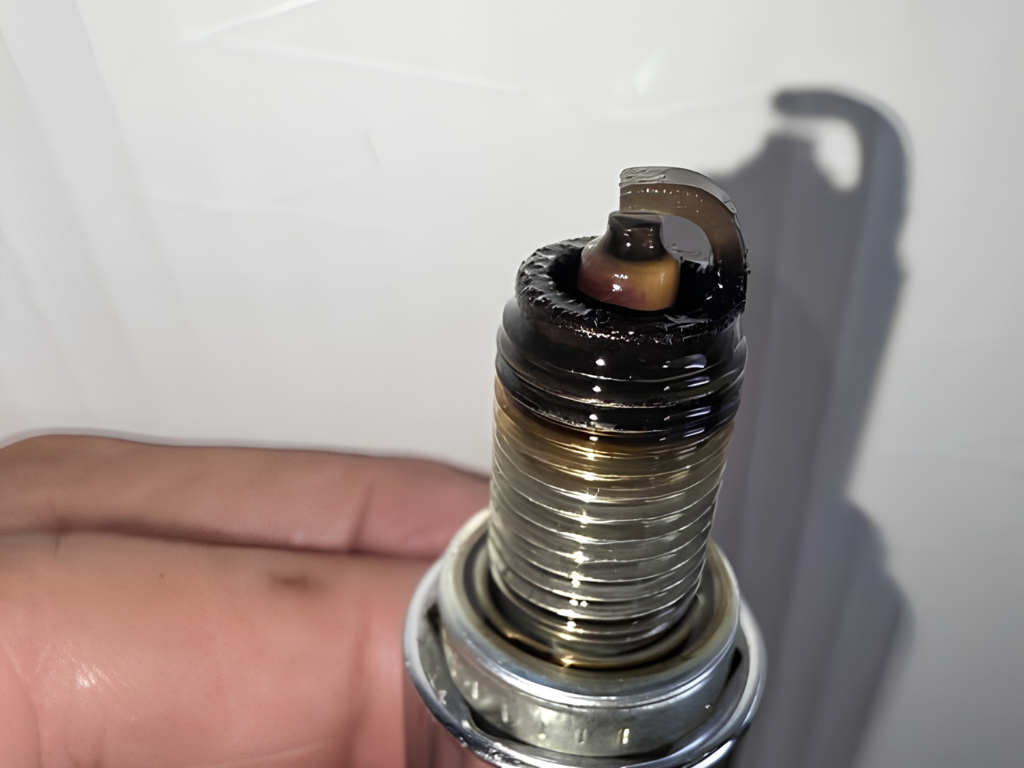
How to solve it
- Remove the spark plug.
- Allow the spark plug to dry completely.
- Check the plug for damage or fouling.
- Reinstall the dry spark plug.
- Start the engine with the throttle lever in the MAX. position.
If the engine continues to flood, there may be an underlying fuel-system or carburetor problem that requires further diagnosis.
11. Fuel System, Ignition, or Valve Problem
If you have checked the basic starting conditions and the Honda GX390 still will not start, the problem may be more complicated. The issue could involve:
- Restricted fuel filter
- Carburetor malfunction
- Ignition malfunction
- Stuck valves
- Other fuel-system problems
- Other engine-related problems
How to solve it
At this point, it is better to have the engine inspected by an authorized service center rather than replacing parts at random.
A technician can diagnose the actual cause and determine which component needs to be repaired or replaced.
Honda GX390 Troubleshooting Checklist
When your Honda GX390 won’t start, work through these checks in order:
| Possible Cause | What to Do |
|---|---|
| Engine switch OFF | Move switch to ON |
| Fuel valve OFF | Move valve to ON |
| Out of fuel | Refill with recommended fuel |
| Choke open | Close choke if engine is cold |
| Low engine oil | Check and fill to proper level |
| Battery discharged | Recharge battery |
| Fuse burnt out | Replace fuse |
| Bad or old fuel | Drain system and refill with fresh fuel |
| Faulty or fouled spark plug | Clean, gap, or replace spark plug |
| Flooded engine | Dry and reinstall spark plug, then restart |
| Fuel, carburetor, ignition, or valve problem | Have the engine professionally diagnosed |
Start with the simple checks first
You do not always need a major repair when a GX390 won’t start. Begin with the basic items:
Engine switch → Fuel valve → Fuel level → Choke → Oil level → Battery → Fuse → Fuel quality → Spark plug → Flooded engine → Fuel system
If these checks do not identify the problem, professional troubleshooting can help prevent unnecessary parts replacement and extended equipment downtime.
Need Honda GX390 Repair in Dallas-Fort Worth?
If your Honda GX390 still will not start after basic troubleshooting, TexPro Equipment provides Honda small engine repair and service in the Dallas-Fort Worth and North Texas area.
TexPro Equipment’s service team has experience repairing Honda GX engines, including the GX390, GX160, GX240, GX270, GX340, GX690, GX620 and GX630. The service team handles issues including hard starting, no-start conditions, fuel-system problems, carburetor issues, ignition problems, low power, oil leaks, and other engine problems.
If you’ve already checked the basic causes above and your GX390 still won’t start, let a professional diagnose the problem before replacing additional parts by clicking the link below :
Get Honda Small Engine Repair in DFW
TexPro Equipment is located in Richland Hills, Texas, serving the Dallas-Fort Worth Metroplex and North Texas.


Leave a Reply