
What Are SDS-Max, SDS-Plus, and Spline Shanks on Demolition Hammers?
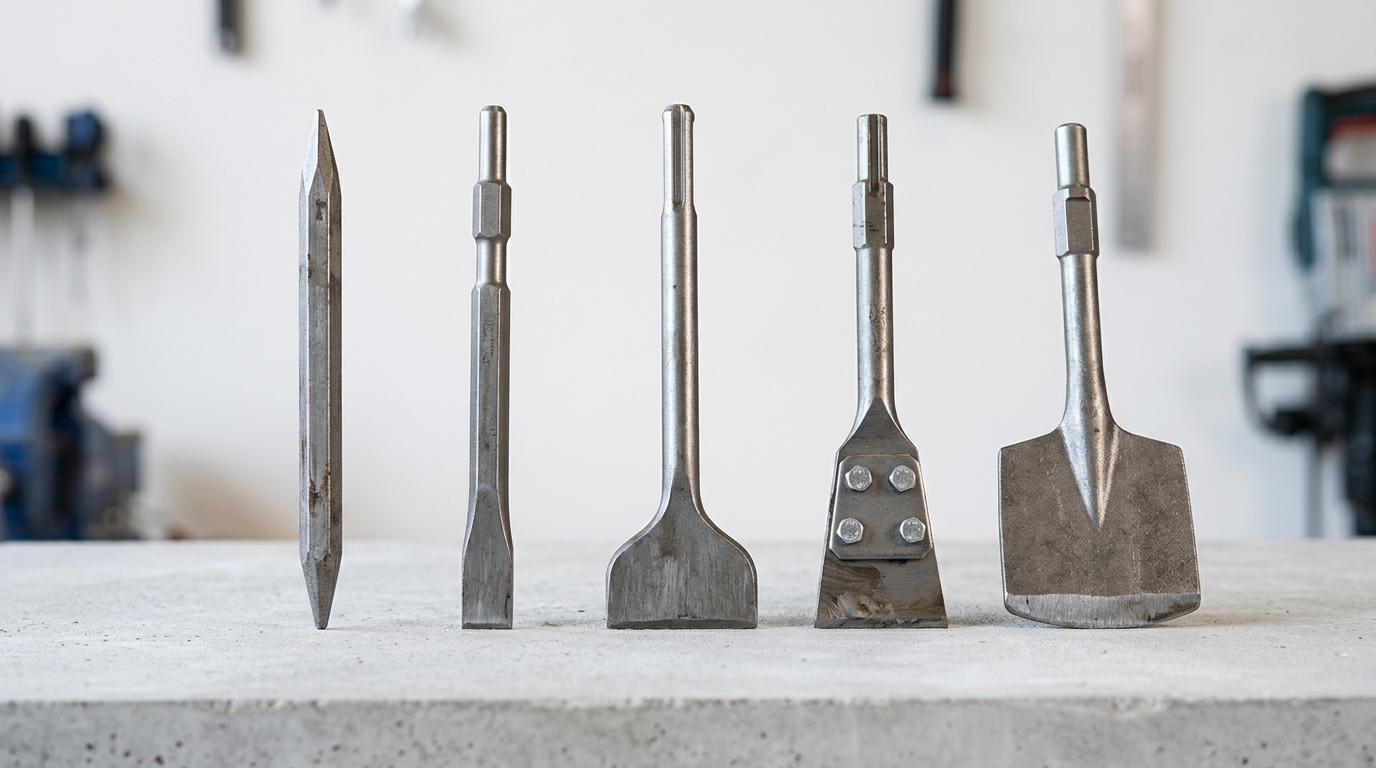
When shopping for a demolition hammer bit, you may notice product descriptions labeled SDS-Max, SDS-Plus, or Spline. These terms refer to the shank connection system that determines how the bit attaches to your hammer. SDS-Plus has a smaller 10 mm shank, SDS-Max has a larger 18 mm shank, and Spline uses a different grooved connection design.
Understanding these three systems is important before purchasing a demolition hammer bit. Choosing the wrong shank can leave you with an attachment that does not fit your machine, even if the bit itself is designed for the job you need to perform.

Table of Contents
- What Is SDS-Plus?
- What Is SDS-Max?
- What Is a Spline Shank?
- SDS-Max vs. SDS-Plus vs. Spline: What’s the Difference?
- Can You Use Different Shank Types on the Same Hammer?
- Final Thoughts
1. What Is SDS-Plus?
SDS-Plus is a common shank system used on smaller rotary hammers and combination hammers. It features a nominal 10 mm shank diameter with four longitudinal grooves that allow the bit to move back and forth during hammering while remaining secured in the tool holder.

The groove arrangement includes two open drive grooves and two closed retaining grooves.
SDS-Plus is commonly used for lighter drilling and chiseling applications, such as drilling holes in concrete, installing anchors, and performing small-scale masonry work.
Common Applications of SDS-Plus
SDS-Plus attachments are suitable for tasks such as:
- Drilling holes in concrete and masonry.
- Installing concrete anchors.
- Drilling holes for electrical and plumbing installations.
- Light concrete chipping.
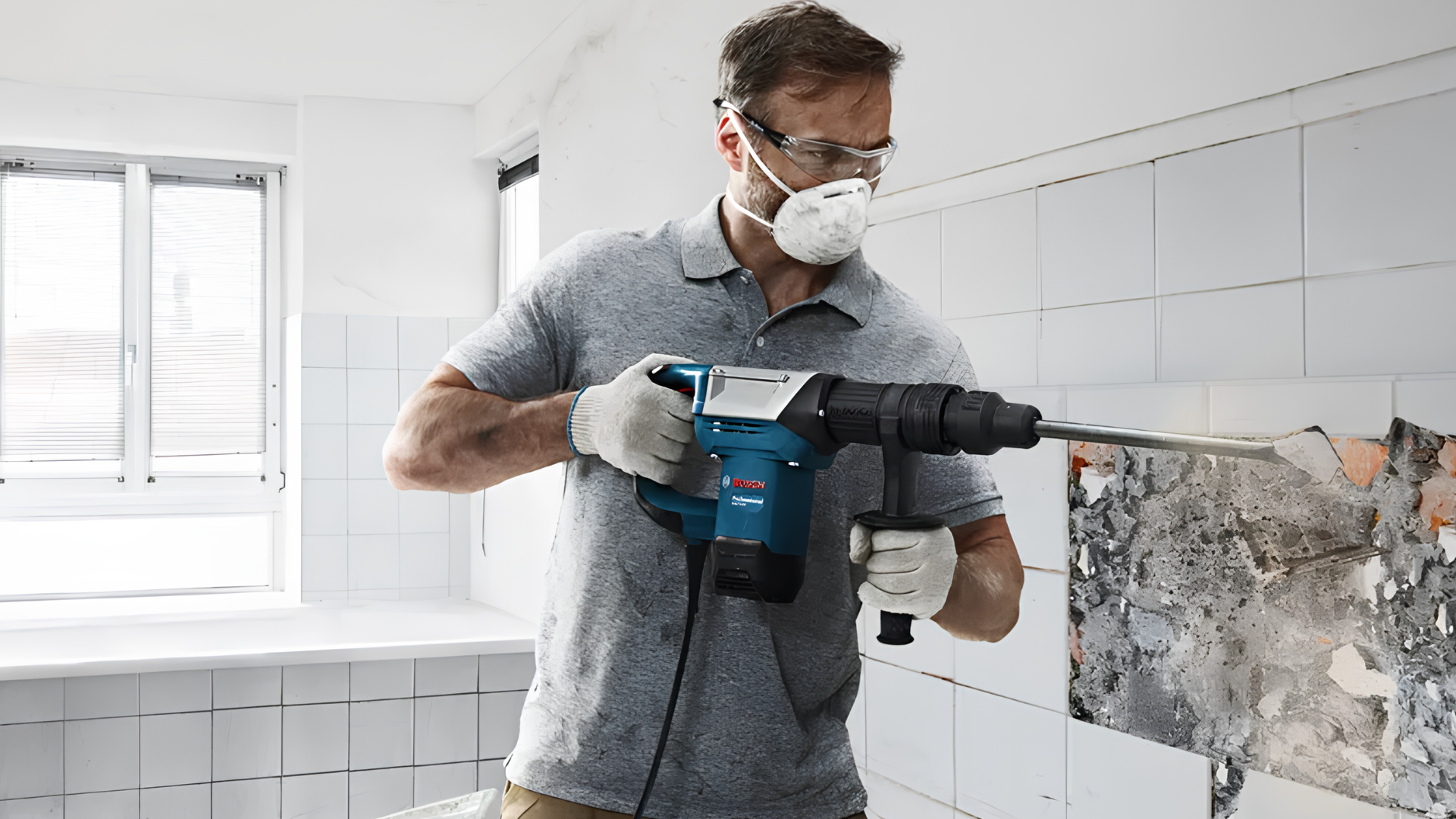
- Removing small sections of tile or masonry with a compatible chisel.
What Type of Tool Uses SDS-Plus?
SDS-Plus is commonly found on compact rotary hammers and combination hammers.
It is a practical choice for contractors and maintenance professionals who regularly perform drilling and lighter chiseling tasks.
Important: SDS-Plus is not the same as SDS-Max. Even though both use a similar groove-based connection design, their shank dimensions and tool holders are different.
2. What Is SDS-Max?
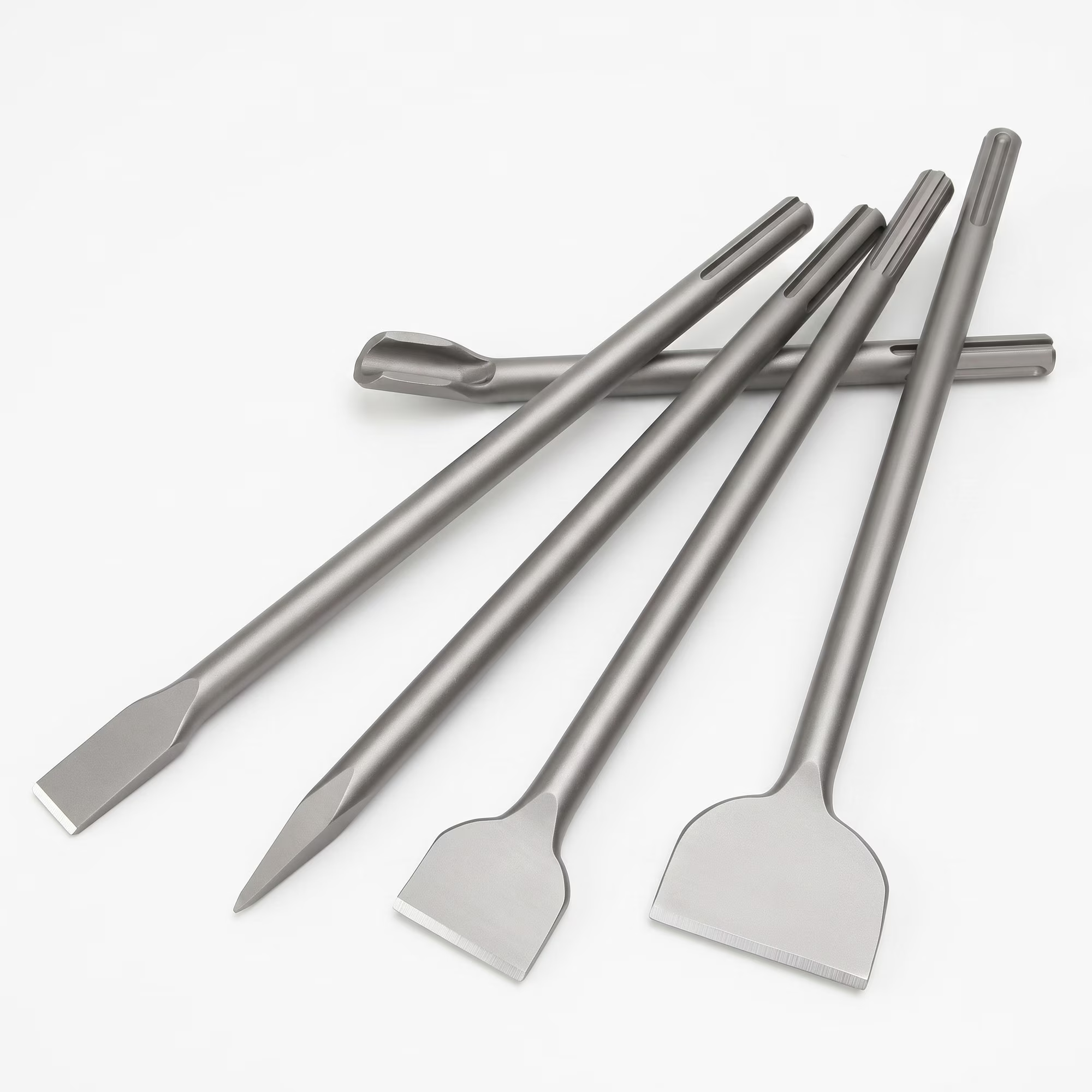
SDS-Max is a larger and heavier-duty shank connection system designed for more demanding drilling and chiseling applications.
It features a nominal 18 mm shank diameter and a different groove and locking arrangement from SDS-Plus. The larger connection is designed for use with heavier rotary hammers and compatible demolition tools.
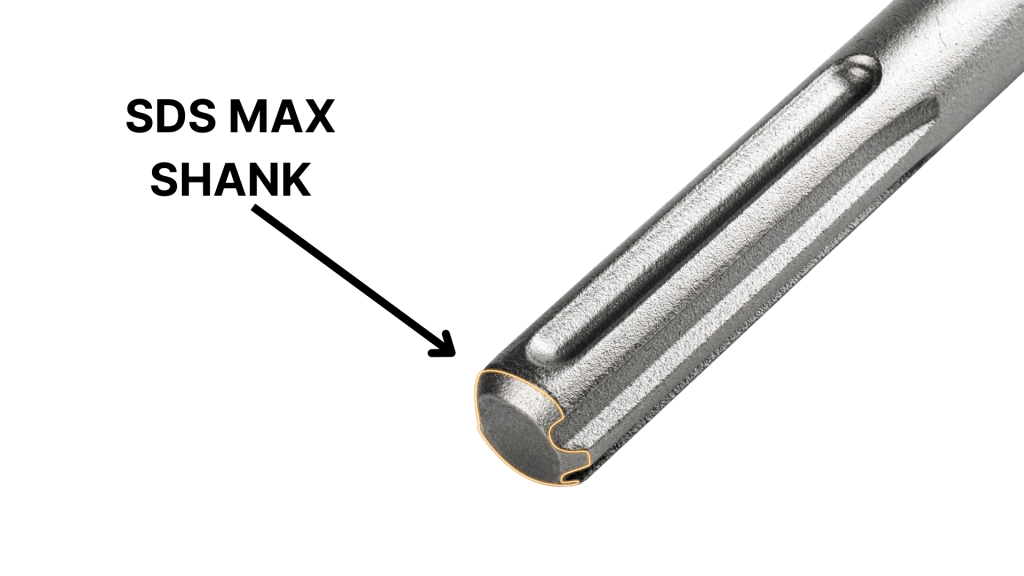
SDS-Max is commonly used for larger concrete drilling jobs, heavy chiseling, and demanding demolition work.
Common Applications of SDS-Max
SDS-Max attachments are commonly used for:
- Heavy-duty concrete drilling.
- Breaking and chipping concrete.
- Removing concrete floors and slabs.
- Chiseling brick and masonry.
- Larger construction and renovation projects.
- Using compatible chisels for demanding demolition applications.
What Type of Tool Uses SDS-Max?
SDS-Max is commonly found on larger rotary hammers, combination hammers, and certain demolition hammers.
Because these tools are designed for more demanding applications, SDS-Max attachments are generally larger than SDS-Plus accessories.
Why choose SDS-Max?
If your work regularly involves larger concrete holes or heavier chiseling and demolition tasks, an SDS-Max-compatible tool may be more appropriate than a smaller SDS-Plus system.
However, the actual capability depends on the hammer’s impact energy, power, and manufacturer specifications, not just the shank size.
3. What Is a Spline Shank?
A Spline shank is another type of connection system used on certain rotary hammers and combination hammers.
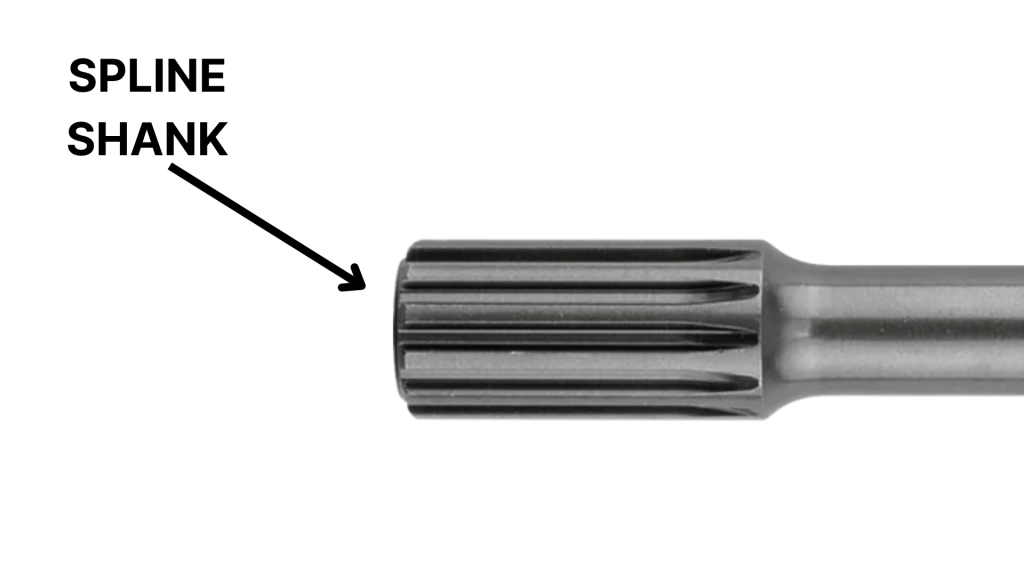
Unlike SDS-Plus and SDS-Max, which use their own specific groove and locking arrangements, a Spline shank features a splined profile designed to engage with a matching tool holder.
Spline systems are commonly associated with some older or specialized heavy-duty hammer models.
Common Applications of Spline Shanks
Spline-compatible attachments may be used for:
- Drilling concrete.
- Drilling masonry.
- Heavy-duty chiseling.
- Concrete demolition.
- Construction and renovation applications.
The actual application depends on the hammer model and the accessory designed for that machine.
What Type of Tool Uses Spline Shanks?
Spline shanks are found on certain older rotary hammers and combination hammers.
Some contractors may still use these machines because they remain suitable for their work. However, Spline is a different connection system from SDS-Plus and SDS-Max.
Important: Do not assume that a Spline bit will fit an SDS-Max or SDS-Plus tool. Always verify the exact shank profile and tool compatibility before purchasing an attachment.
SDS-Max vs. SDS-Plus vs. Spline: What’s the Difference?
Now that you understand each connection system, let’s compare their main characteristics.
| Feature | SDS-Plus | SDS-Max | Spline |
|---|---|---|---|
| Shank design | Grooved connection | Larger grooved connection | Splined connection |
| Nominal shank diameter | 10 mm | 18 mm | Varies by system |
| Typical tool category | Compact and medium-duty rotary hammers | Larger rotary and combination hammers; some demolition hammers | Certain older or specialized rotary and combination hammers |
| Common applications | Concrete drilling and light chiseling | Larger concrete drilling and heavy chiseling | Concrete drilling and chiseling on compatible machines |
| Interchangeability | Not directly interchangeable with SDS-Max or Spline | Not directly interchangeable with SDS-Plus or Spline | Not directly interchangeable with SDS-Plus or SDS-Max |
Which Shank Is Designed for Heavier Work?

In general, SDS-Plus is associated with smaller tools and lighter applications, while SDS-Max is associated with larger tools and more demanding applications.
Spline is a separate connection system, so it should not automatically be classified as lighter or heavier than the other two. Its suitability depends on the specific hammer and attachment.
Remember that the shank alone does not determine how powerful a demolition hammer is. You should also consider the machine’s impact energy, weight, and intended application.
Can You Use Different Shank Types on the Same Hammer?
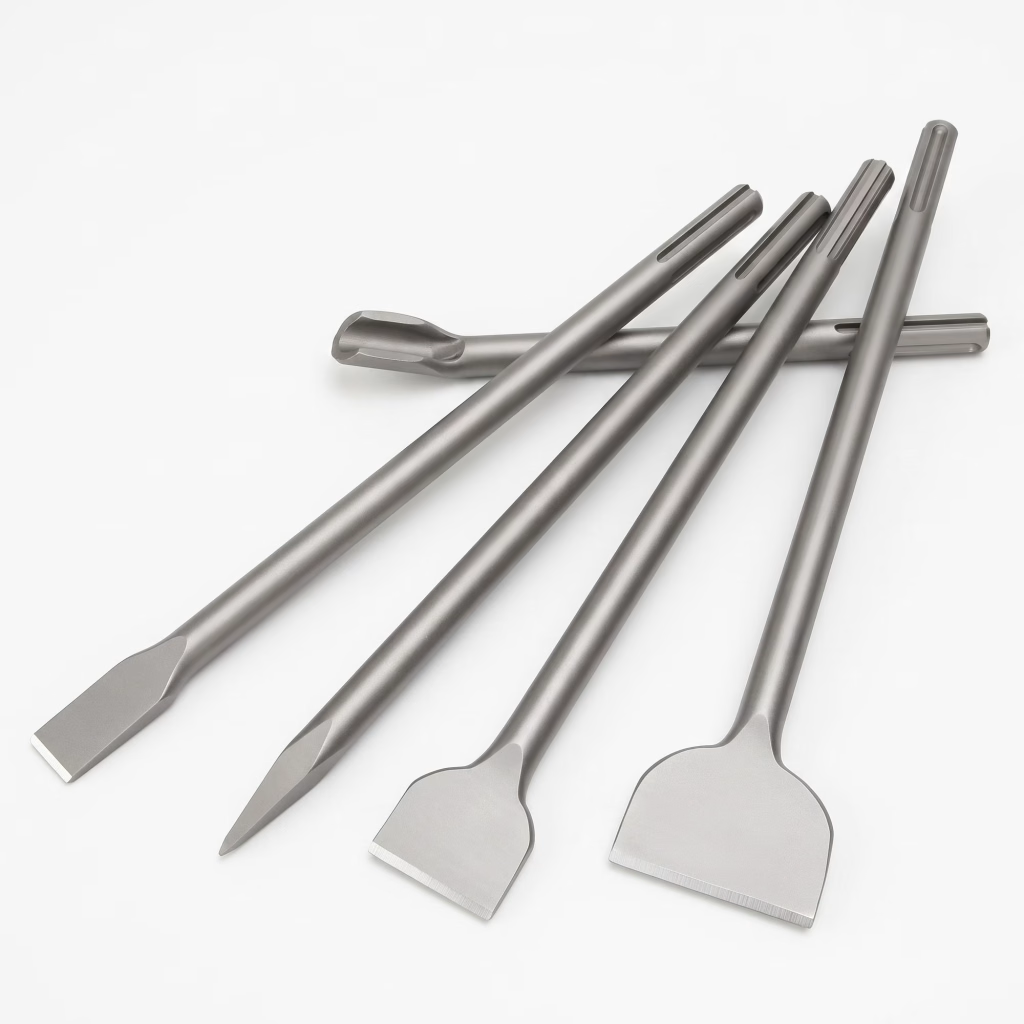
No. SDS-Plus, SDS-Max, and Spline attachments are not directly interchangeable because their connection designs are different.
For example:
- An SDS-Plus bit will not directly fit an SDS-Max tool holder.
- An SDS-Max bit will not directly fit an SDS-Plus tool holder.
- A Spline bit will not directly fit either SDS-Plus or SDS-Max holders.
Some manufacturers offer adapters for specific tool and accessory combinations. However, adapters are not universally available or suitable for every application.
Never force an attachment into a tool holder or use an unapproved adapter. Doing so can damage the tool, attachment, or locking mechanism.
The safest approach is to purchase a bit that matches the connection system specified for your demolition hammer.
Final Thoughts
SDS-Max, SDS-Plus, and Spline are three different shank connection systems used on rotary hammers and demolition hammers. Although they serve a similar purpose, their designs, dimensions, and compatibility requirements are different.
Here’s a quick summary:
- SDS-Plus: A 10 mm shank system commonly used on compact rotary hammers for concrete drilling and lighter chiseling.
- SDS-Max: An 18 mm shank system commonly used on larger rotary hammers and compatible demolition tools for more demanding applications.
- Spline: A separate splined connection system used on certain older or specialized hammer models.
Before purchasing a demolition hammer bit, always check your machine’s model number, tool holder, and manufacturer’s accessory recommendations.
If you need assistance with construction equipment, replacement parts, or equipment service in the Dallas-Fort Worth area, contact TexPro Equipment at 817-834-5800 or visit TexPro Equipment.



Leave a Reply