

Common Generator Issues and Solutions
Generators are vital for keeping the lights on during power outages. They provide essential backup power for homes and businesses.
However, like any machine, generators can face issues. These problems can disrupt their performance and reliability.
Understanding common generator issues is crucial. It helps in identifying problems early and finding effective solutions.
Battery failures, fuel system issues, and engine wear are frequent concerns. Each of these can lead to unexpected downtime.
Regular maintenance can prevent many of these issues. It ensures your generator is ready when you need it most.
Professional generator repair services offer expertise in diagnosing and fixing complex problems. They can extend the lifespan of your equipment.
In this guide, we explore common generator issues and their solutions. We also highlight the importance of professional repair services.
Why Generator Reliability Matters
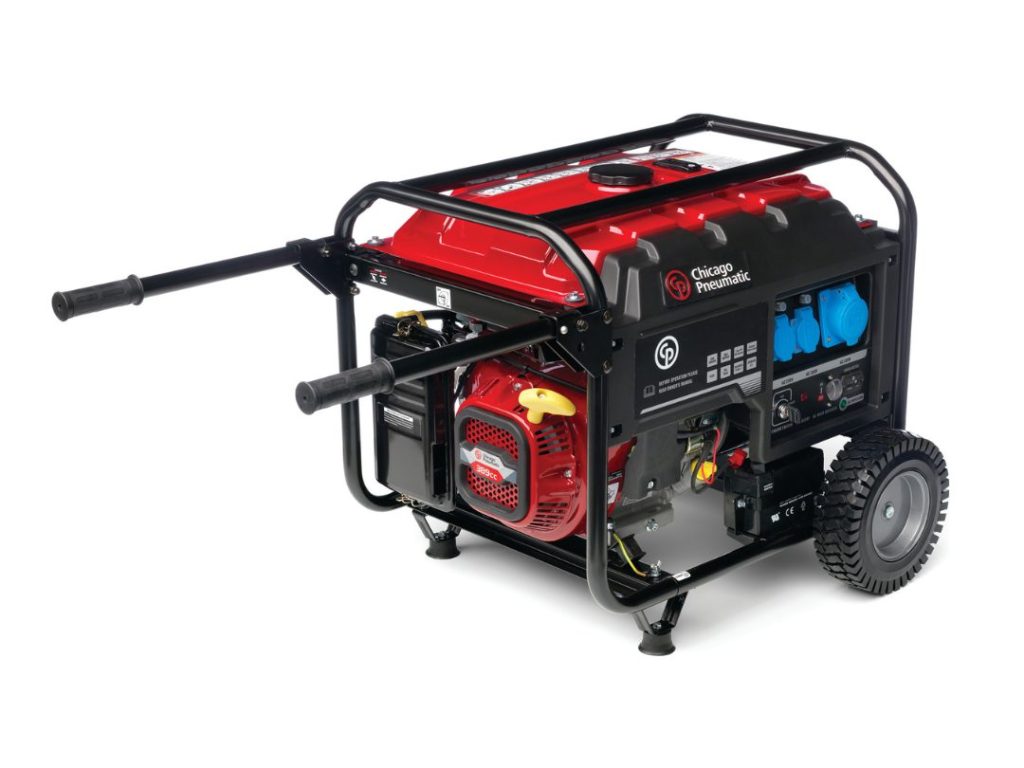
Generator reliability is crucial for both homes and businesses. It ensures that critical systems remain operational during power cuts.
Businesses, in particular, depend heavily on continuous power. Downtime can result in lost productivity and revenue.
For homeowners, reliable generators provide peace of mind. They ensure essential appliances continue running during power outages.
Here are some reasons why reliable generators are essential:
- Prevents costly downtime in businesses
- Ensures safety by maintaining power to security systems
- Provides comfort by keeping heating and cooling systems operational
Regular inspections and maintenance can help maintain generator reliability. Testing ensures generators respond correctly when needed.

Most Common Generator Problems
Generators, while reliable, are not immune to issues. These problems often arise due to wear and lack of maintenance.
Understanding common problems is the first step in prevention. Regular servicing can help identify these issues early.
The most frequent generator problems are:
- Battery failure
- Fuel system issues
- Engine wear and overheating
- Electrical and wiring faults
Battery failure can halt generator operation. Often, this is due to sulfation or loose connections.
Fuel problems, such as stale fuel or clogged filters, can impair performance. Regular checks can mitigate these issues.
Engine wear and overheating result from inadequate oil changes. They also occur from neglecting coolant levels.
Electrical faults often stem from poor wiring connections. Regular inspections can catch these before they worsen.
Battery Failure

Battery failure is a top generator concern. It can prevent the generator from starting altogether.
Causes of battery failure include sulfation and poor connections. Regular inspections and maintenance can prevent these issues.
To address battery problems, consider:
- Regular charging
- Cleaning terminals and connections
- Testing battery health periodically
Keeping a maintenance log can help anticipate battery issues. Replace the battery if it shows signs of significant wear.
Fuel System Issues
Fuel system issues affect generator performance. Stale fuel is a common problem leading to clogs.
Changing fuel filters regularly and using fresh fuel can help. These steps prevent blockages and maintain flow.
Consider these steps to avoid fuel issues:
- Use stabilizers for fuel storage
- Replace fuel filters as per schedule
- Drain old fuel regularly
Storing petrol generators properly can prevent fuel degradation. This ensures readiness when needed.
Engine Wear and Overheating
Engine wear is inevitable but can be managed. Regular maintenance is key to prevention.
Overheating arises from poor lubrication or coolant neglect. Checking oil and coolant levels helps avoid these issues.
To prevent engine wear:
- Change oil at recommended intervals
- Inspect belts and hoses for wear
- Maintain coolant levels
Routine inspections can detect minor problems early. This proactive approach extends engine life.
Electrical and Wiring Faults
Electrical issues can disable generators. They often stem from faulty wiring or loose connections.
Routine checks can identify these problems before escalation. Prompt attention is crucial for safety and performance.
Address electrical faults by:
- Inspecting wiring for damage
- Tightening loose connections
- Testing transfer switches
Professional inspection can ensure compliance with safety standards. It also enhances generator reliability.
Troubleshooting Generator Issues: Step-by-Step Guide
Troubleshooting generator issues can seem daunting. However, a systematic approach makes it manageable.
Start by checking the basics. Ensure the fuel tank is not empty and the oil level is correct. These are common oversight areas.
Next, inspect the battery connections. Loose or corroded terminals can prevent the generator from starting. Clean them if needed.
Verify the fuel system. Ensure fuel lines are free from clogs and the fuel is fresh. Replace filters if they’ve gathered debris.
Look at the air filter. A dirty or clogged air filter can suffocate the engine. Clean or replace it if there’s any doubt.
Don’t ignore electrical connections. Tighten any loose wires. Check that circuit breakers are not tripped.
For a smooth process, follow these steps:
- Start with fuel and oil levels
- Examine battery and its connections
- Inspect the air and fuel systems
Regularly log these checks. A maintenance record helps pinpoint recurring issues.
If problems persist, consult a professional. Skilled generator repairmen have the expertise to handle complex issues safely.

These steps will help in identifying issues. Timely troubleshooting can minimize downtime and extend the generator’s lifespan.
When to Call Professional Generator Repair Services
While DIY fixes can solve minor issues, some problems require professional expertise. Complex generator problems can pose safety risks if not handled by experts.
Call a professional when the generator fails to start despite basic checks. Persistent issues often indicate underlying problems needing professional diagnosis.
Unusual noises or vibrations during operation are other signs. These could point to mechanical or engine problems, which need specialized tools and knowledge to fix.
Inconsistent power output is another red flag. Experts can identify whether it’s an electrical issue or something more.
Consider the following times when professional help is crucial:
- When DIY fixes prove ineffective
- If there are strange noises or vibrations
- When power output is erratic
Opting for professional generator repair services ensures efficiency and safety. Trained repairmen can quickly address the issue without compromising safety.

Always choose certified companies. This ensures compliance with safety standards and prolongs your generator’s lifespan.
Types of Generator Repair Services
Generators are vital for continuous power supply in various environments. Several generator repair services can help ensure your equipment functions properly.
Repair services include routine maintenance and emergency repairs. Routine checks prevent failures, while emergency services handle urgent issues.
Different types of generators require specific services. Standby generators ensure continuous power during outages and need periodic testing.
Petrol generators, often used for portable power, face unique issues. Their repairs often involve checking the carburetor and fuel system.
Commercial generators demand specialized attention due to their size and usage. They require regular service to handle high demands and prevent downtime.
Key services offered by repair companies include:
- Routine maintenance checks
- Emergency repair services
- Specialized commercial maintenance
Choosing the right service depends on the generator type and usage needs. Professional services offer tailored plans for each situation.

Standby Generator Repair
Standby generators are crucial for uninterrupted power. Regular testing ensures they’re ready when needed the most.
Repairs for standby generators often include checking transfer switches. These switches play a vital role in the generator’s operation during an outage.
Regular maintenance also involves inspecting battery connections and testing the battery’s health. This prevents failure when the generator is required.
Key considerations for standby generator repair include:
- Transfer switch functionality
- Battery connection health
- Regular testing and inspections
Timely repairs ensure reliability, minimizing power disruptions. Professional services guarantee proper functioning and prolonged equipment life.
Petrol Generator Repairs
Petrol generators, used for mobile power, need specific attention. Regular use prevents common problems linked to fuel degradation.
Common petrol generator repairs include cleaning or replacing carburetors. This ensures efficient fuel combustion and smooth operation.
Regular checks also involve cleaning spark plugs and replacing clogged filters. These steps maintain engine health and performance.
Key petrol generator repair points include:
- Carburetor cleaning or replacement
- Spark plug and filter maintenance
Proper care and repair keep petrol generators efficient. Professional services help tackle complex issues beyond basic maintenance.
Commercial Generator Repair and Service
Commercial generators are integral for businesses to prevent downtime. Their upkeep requires specialized services tailored to commercial demands.
Services include regular inspections, load testing, and software updates. These ensure reliability and meet the power needs of commercial operations.
Repairs also involve recalibrating control systems for optimal performance. This ensures the generator can handle various power loads efficiently.
Essential commercial generator services include:
- Load testing and inspections
- Control system recalibration
- Software updates and maintenance
Engaging professional services for commercial generators minimizes disruptions. Tailored plans ensure critical systems remain operational during power outages.
Preventive Maintenance Tips for Generators
Regular maintenance extends the life of your generator and ensures reliability. Simple checks can prevent costly failures and ensure consistent performance.
Begin by inspecting the fuel system. Check for leaks and ensure filters are clean. Replace stale fuel to prevent clogs and combustion issues.
Oil changes are critical for engine health. Follow the manufacturer’s guidelines for oil type and change intervals. Frequent checks help maintain performance.
Battery health is essential. Clean and tighten connections regularly. Test battery output to avoid unexpected failures during an outage.
Critical preventive measures include:
- Checking coolant levels
- Inspecting belts for wear
- Ensuring proper ventilation
Regular load testing evaluates your generator’s ability to handle power demands. This practice confirms the generator can perform under real conditions.
Keep a detailed maintenance log. Record inspections, services, and parts replacements. This information helps identify patterns and potential future issues.
Adopting these practices helps maintain your generator’s efficiency. Professional services can provide further in-depth maintenance and repair.

Choosing the Right Generator Repair Company
Selecting a qualified repair company is crucial for maintaining your generator’s health. With so many options, it’s important to make an informed choice.
Begin by looking for companies with a solid reputation. Check online reviews and ask for recommendations from friends or colleagues.
Experience counts. Choose a company with extensive knowledge in handling your generator type. Expertise ensures quicker and more accurate repairs.
Consider the range of services offered:
- Scheduled maintenance
- Emergency repairs
- Parts replacement
Additionally, verify their certifications and training. Licensed professionals follow industry standards, ensuring safe and reliable repairs.
Lastly, consider customer service quality. A good company will offer clear communication and detailed service plans.

TexPro Equipment meets all these standards. Our certified technicians bring extensive experience working with a wide range of generator brands and models, providing dependable repairs, routine maintenance, and fast support when your equipment needs it most.
To learn more or schedule a service, visit our generator service page:
Emergency Generator Repair: What to Do When the Power Fails
In a sudden power outage, a failing generator can lead to serious problems. Acting quickly is crucial to prevent further issues.
First, attempt basic checks yourself. Inspect for visible damage, loose wires, or unusual noises. Identify any glaring issues if possible.
If the problem persists, call for emergency generator repair services. These professionals can promptly address:
- Critical power loss
- Faulty transfer switches
- Fuel system blockages
Having a pre-selected generator repairman ensures faster response and reduces downtime during an emergency. Proper preparedness is key.
Conclusion: Keeping Your Generator Ready
Regular generator maintenance is essential for reliability. By understanding common issues, you can quickly address minor problems.
Professional generator repair services ensure that complex issues are resolved efficiently. Investing in quality repairs extends the life of your generator, providing peace of mind during power outages. Keep your generator in top shape with timely inspections and expert assistance.
Leave a Reply