

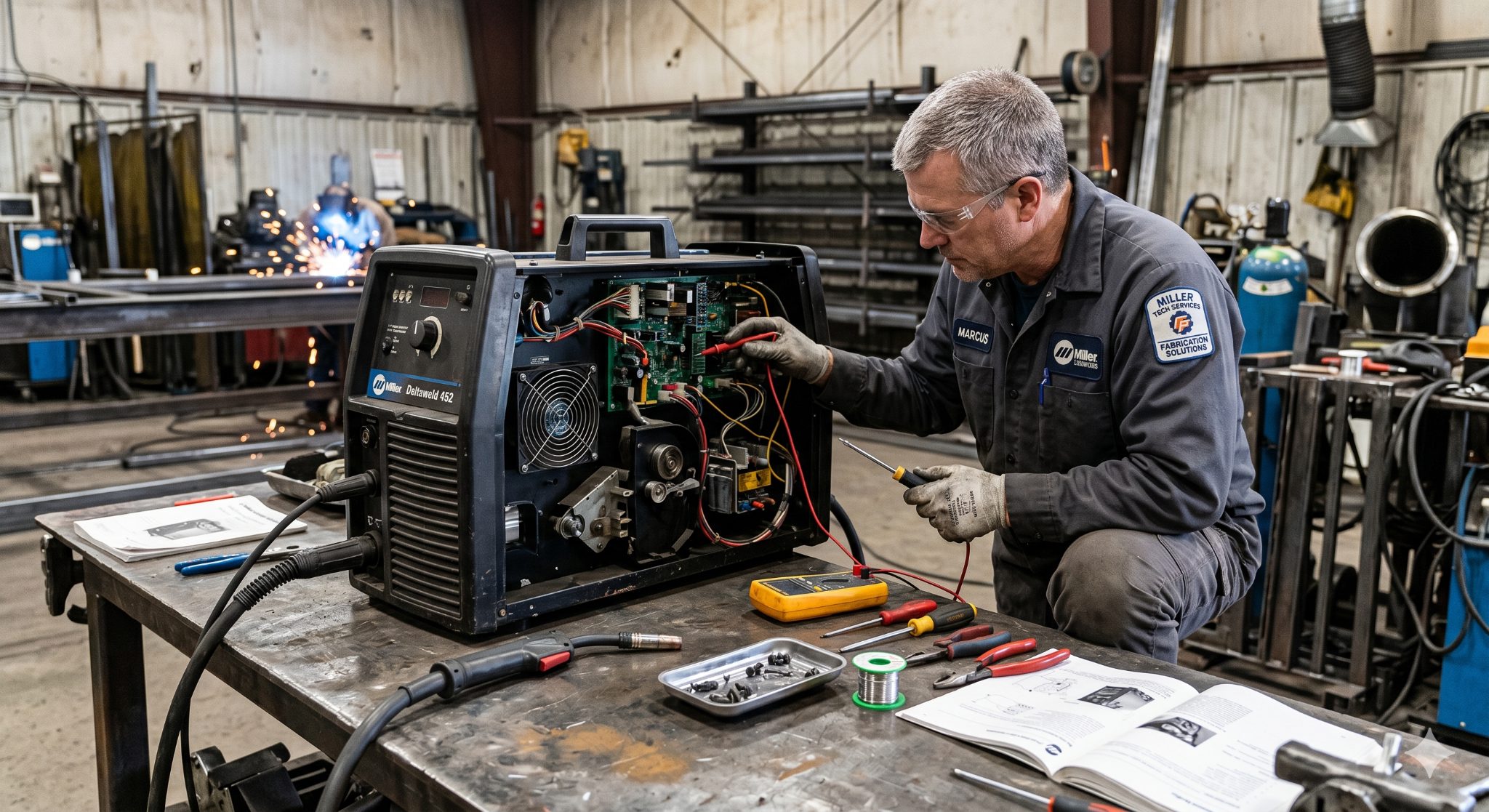
Welder Problems: Common Causes, Quick Fixes & When to Call a Technician
Welding machines are essential tools used in construction, fabrication, automotive repair, and industrial manufacturing. Whether you’re using a MIG welder, TIG welder, or stick welder, reliable equipment is critical for producing strong and consistent welds.
However, like any piece of mechanical or electrical equipment, welders can develop problems over time. These issues can affect weld quality, reduce efficiency, or stop the machine from working entirely.
Understanding the most common welder problems can help you troubleshoot minor issues quickly and determine when professional repair is needed.
In this guide, we’ll explore common welder problems, their causes, possible fixes, and when it’s best to call a professional technician.

Most Common Welder Problems
Welding machines can experience a range of mechanical, electrical, and operational issues.
Some of the most common welder problems include:
- Welder won’t power on
- Poor arc performance
- Wire feed problems (MIG welders)
- Overheating during operation
- Inconsistent welds or weak penetration
- Excessive spatter
Let’s look at each of these issues and how they can be addressed.
1. Welder Won’t Power On
One of the most frustrating issues is when a welder simply refuses to power on.
This can happen due to electrical supply problems or internal component failures.
Possible Causes
- Faulty power supply
- Blown fuse or tripped breaker
- Damaged power cord
- Internal electrical failure
- Loose wiring connections
Possible Fixes
Before assuming the machine is damaged, check the following:
- verify the power outlet is working
- inspect the power cord for damage
- check circuit breakers or fuses
- confirm the machine’s power switch is functioning
If the welder still does not turn on, internal electrical components may need professional inspection.
2. Poor Arc Performance
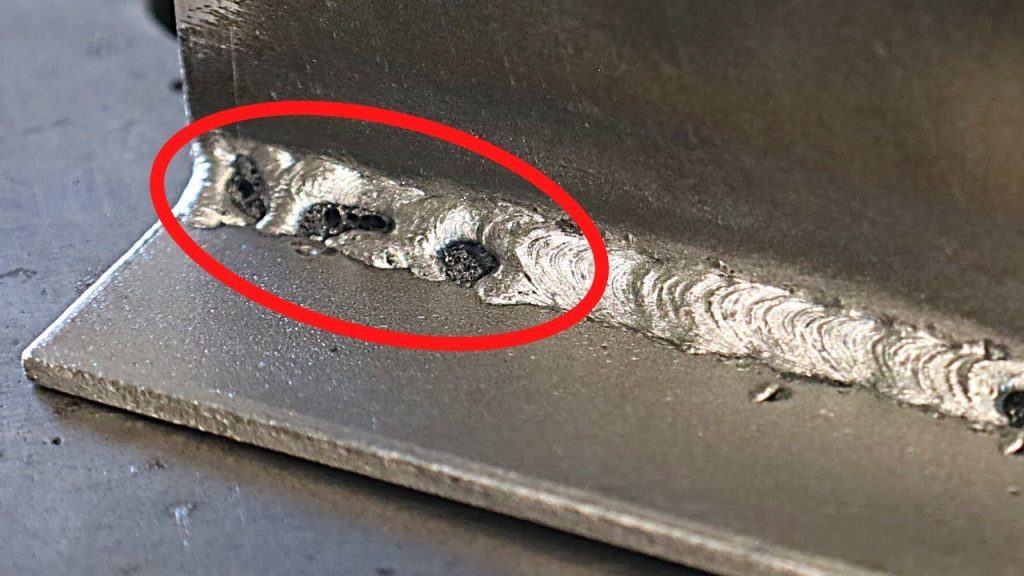
A stable arc is essential for producing clean, strong welds. When the arc becomes unstable, it can make welding difficult and affect weld quality.
Common Causes
- incorrect voltage or amperage settings
- worn welding electrode
- poor grounding connection
- dirty metal surfaces
Possible Fixes
To improve arc performance:
- adjust the welder’s voltage and amperage settings
- replace worn electrodes
- ensure the ground clamp is securely attached
- clean the metal surface before welding
Correct setup and preparation can often solve arc instability issues.
3. Wire Feed Problems (MIG Welders)
Wire feed problems are one of the most common issues experienced with MIG welders.
If the wire does not feed smoothly, welding becomes inconsistent or impossible.
Possible Causes
- tangled or jammed wire spool
- worn drive rollers
- clogged liner or contact tip
- incorrect wire tension
Possible Fixes
Try the following troubleshooting steps:
- check the wire spool for tangles
- clean or replace the contact tip
- adjust the drive roller tension
- inspect the wire liner for debris
Regular maintenance helps prevent most wire feed issues.
4. Welder Overheating

Welders generate a significant amount of heat during operation. If the machine overheats, it may shut down automatically to prevent damage.
Causes of Overheating
- exceeding the welder’s duty cycle
- blocked cooling vents
- dust buildup inside the machine
- failing cooling fan
How to Prevent Overheating
To reduce overheating risks:
- follow the manufacturer’s duty cycle recommendations
- keep ventilation openings clear
- clean dust and debris regularly
- allow the machine to cool between heavy welding sessions
Proper cooling is essential for long-term welder performance.
5. Inconsistent Weld Quality
If your welds appear weak, uneven, or inconsistent, the problem may involve machine settings or worn components.
Possible Causes
- incorrect welding parameters
- poor shielding gas flow
- contaminated welding materials
- worn contact tips or electrodes
Possible Fixes
To improve weld quality:
- verify voltage and wire speed settings
- check shielding gas flow rate
- replace worn consumables
- clean the base material before welding
Small adjustments can significantly improve welding results.
6. Excessive Welding Spatter
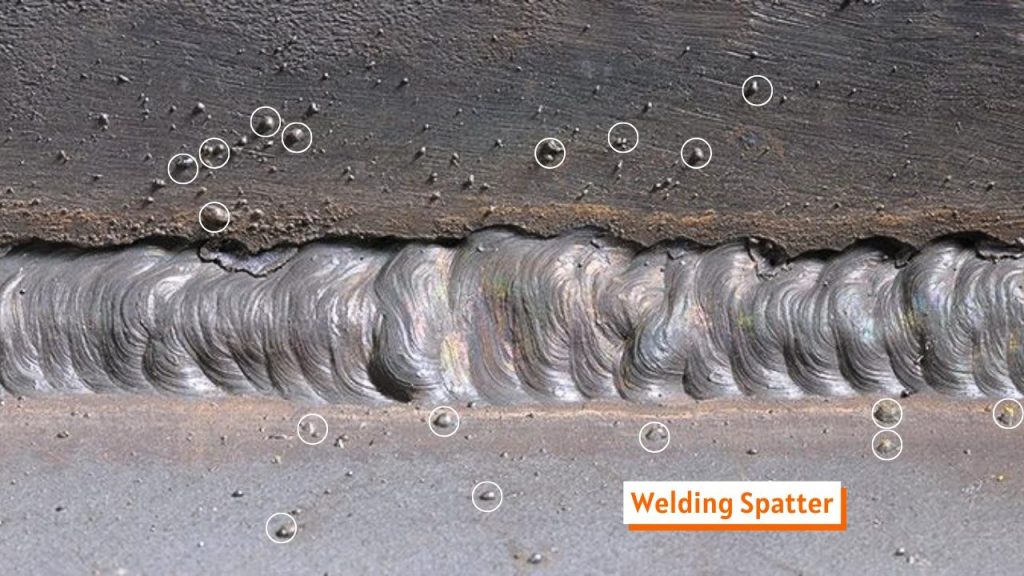
Excessive spatter can make welds messy and require extra cleanup after welding.
Common Causes
- incorrect voltage settings
- improper polarity
- poor shielding gas coverage
- contaminated materials
Possible Fixes
To reduce welding spatter:
- adjust voltage and wire speed settings
- confirm correct polarity
- check shielding gas flow
- clean the work surface before welding
Optimizing welding parameters can reduce spatter and improve weld appearance.
Preventive Maintenance Tips for Welders
Preventive maintenance helps extend the lifespan of welding equipment and reduce downtime.
Recommended maintenance practices include:
- cleaning the machine regularly
- inspecting cables and connections
- replacing worn consumables
- maintaining proper ventilation
- checking wire feed components
- scheduling routine equipment inspections
Regular maintenance ensures reliable welding performance and consistent results.
When to Call a Welder Repair Technician
Some welder problems require specialized tools and technical expertise.
You should contact a professional technician if:
- the machine repeatedly loses power
- internal electrical components fail
- the welder overheats frequently
- wire feed systems stop working completely
- the machine produces inconsistent output despite adjustments
Professional repair technicians can diagnose electrical issues, replace internal components, and ensure your welder operates safely and efficiently.
TexPro Equipment has repaired 2769 welders since 2010 across 630+ models. We are a professional repair center who provide warranty service and pick-up/delivery options for your welders. Schedule your repair or regular maintenance now!
Leave a Reply