

Trench Roller Maintenance: Tips for Longevity
Trench roller are essential in construction for compacting soil and ensuring stability. Proper maintenance is crucial for their longevity and performance.
Neglecting maintenance can lead to costly repairs and downtime. Regular checks and servicing can prevent these issues.
This guide provides comprehensive tips for maintaining trench rollers. It covers daily inspections, engine care, and hydraulic system checks.
You’ll learn about maintaining drum scrapers and padfoot components. Electrical and battery system checks are also discussed.
Remote control trench rollers require special attention. This guide includes tips for maintaining their electronics.
Cleaning and proper storage are vital for protecting your investment. Operator training and best practices are also essential.
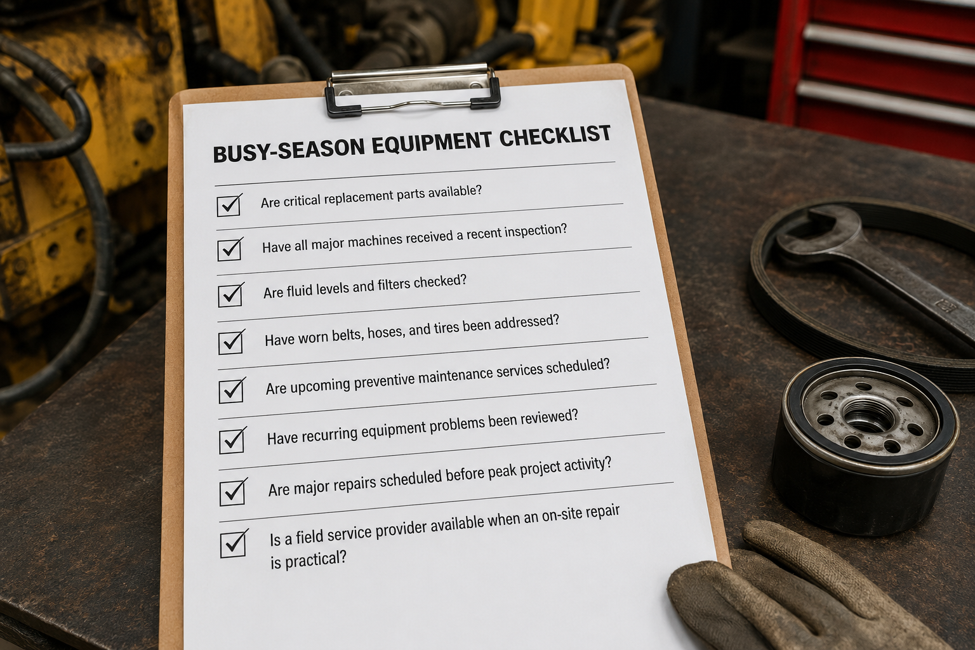
Keeping maintenance logs helps track service history and identify recurring issues. Scheduling professional servicing ensures thorough inspections.
Whether you own or rent, these tips from Equipro TexPro’s expert technician will help maximize the life of your trench roller.
Outline
- Trench Roller Maintenance: Tips for Longevity
- Understanding Trench Roller : Types and Key Components
- Why Maintenance Matters: Benefits for Longevity and Performance
- Daily and Pre-Use Inspections: Your First Line of Defense
- Engine and Fluid Maintenance: Keeping the Heart Running
- Hydraulic System Care: Preventing Leaks and Failures
- Drum, Scraper, and Padfoot Maintenance: Ensuring Effective Trench Roller
- Electrical and Battery System Checks: Avoiding Downtime
- Remote Control and Electronics: Special Considerations
- Cleaning and Storage: Protecting Your Investment
- Operator Training and Best Practices
- Maintenance Logs and Scheduling: Staying Organized
- Professional Servicing and When to Call an Expert
- Rental Considerations: Maintenance for Rented Trench Roller
- Common Issues for Trench Roller and Troubleshooting Tips
- Environmental and Safety Considerations in Maintenance
- Conclusion: Maximizing the Life of Your Trench Roller
Understanding Trench Roller : Types and Key Components

Trench rollers play a vital role in soil compaction. They come in various types to suit different project needs.
Two main types of trench rollers are walk-behind and remote control models. Each offers unique advantages.
Walk-behind trench rollers are typically used for smaller spaces. They provide direct control and are often preferred for precise tasks.
Remote control trench rollers offer greater flexibility. Operators can manage them from a safe distance, enhancing safety and efficiency.
Key components of trench rollers include engines, drums, hydraulic systems, and vibratory mechanisms. Each requires specific maintenance for optimal performance.
Here’s a quick look at major components and their functions:
- Engine: Powers the machine.
- Drum: Performs the compaction.
- Hydraulic System: Controls the movement and vibration.
- Vibratory Mechanism: Increases compaction efficiency.
Regular maintenance of these components ensures your machine works effectively. Each part plays a crucial role in achieving solid soil compaction.
Understanding these components helps in diagnosing issues and performing effective maintenance. With different types and components, selecting the right trench roller depends on your project needs.
Familiarize yourself with your machine to prevent unnecessary wear and tear. Knowing your equipment well is key to troubleshooting and maintaining it effectively.
Proper maintenance starts with understanding these basics, which is essential for any construction professional. Whether using a trench roller rental or a purchased unit, this knowledge aids in making informed decisions.
Why Maintenance Matters: Benefits for Longevity and Performance
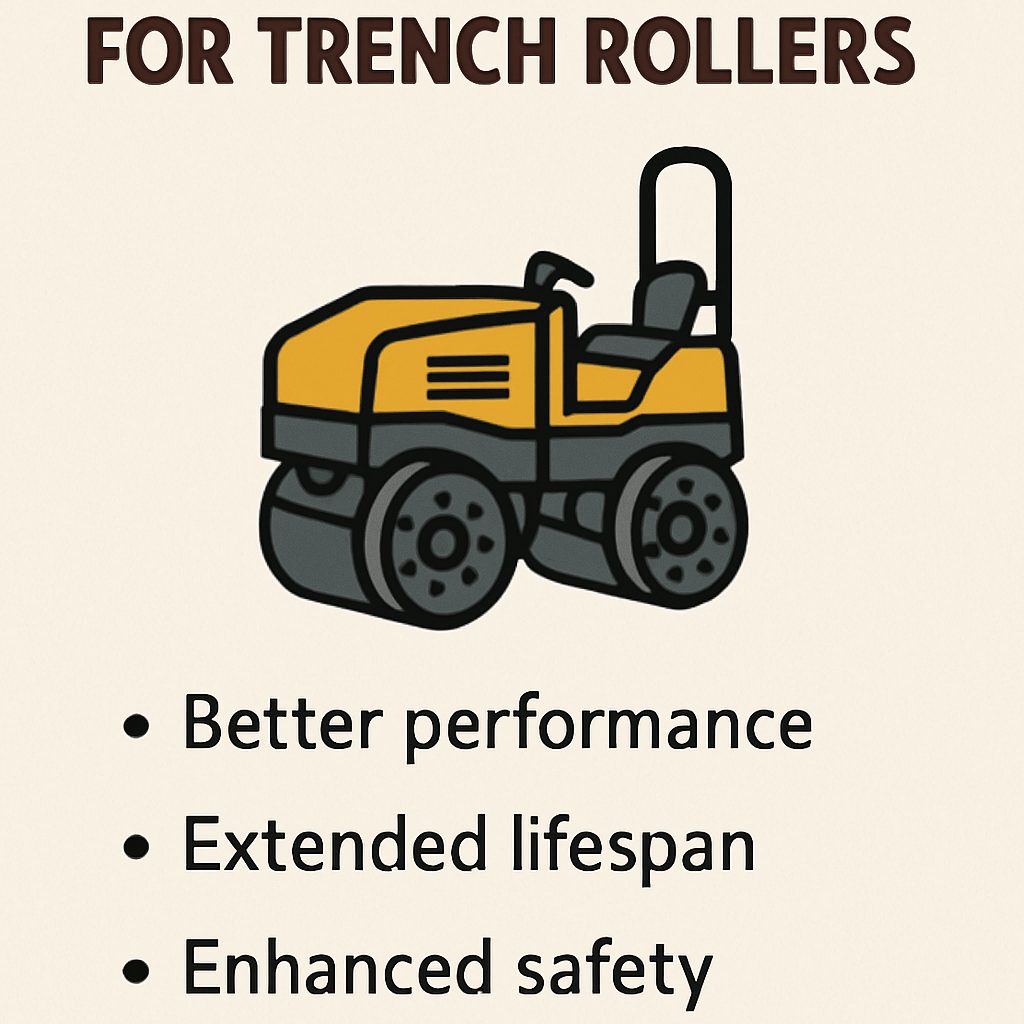
Proper maintenance is the cornerstone of trench roller longevity. Regular upkeep not only extends its life but also boosts its performance.
Neglecting maintenance can lead to costly repairs. It can also result in unexpected downtimes, affecting project timelines. Proactive care ensures seamless operation and prevents such disruptions.
Consistent maintenance routines provide numerous benefits. They help in identifying potential issues before they escalate. This can save time and money in the long run.
Below are some key benefits of regular maintenance:
- Extended Equipment Life: Regular care prolongs lifespan.
- Improved Performance: Keeps machinery running efficiently.
- Cost Savings: Prevents expensive repair jobs.
- Safety Assurance: Reduces operational risks.
- Operational Reliability: Ensures consistent work output.
Additionally, well-maintained trench rollers improve safety on-site. They reduce the risk of mechanical failures, which can lead to accidents.
Efficient trench roller operation also ensures optimal soil compaction. This is critical for achieving project quality standards.
Maintenance is not just an added task. It’s a vital investment in your trench roller’s functionality. Whether dealing with a remote control compactor or a walk-behind model, regular checks make all the difference.
Daily and Pre-Use Inspections: Your First Line of Defense

Daily inspections are essential for trench roller maintenance. They act as the first defense against breakdowns. A quick check before use can prevent many issues.
Before starting the machine, walk around and inspect its components. Check for visible wear or damage. This simple step can alert you to problems before they become serious.
Ensure the oil levels are correct. Engine oil lubricates and cools the engine. Without enough, you risk damaging crucial parts.
Check the hydraulic fluid levels. These should be within the manufacturer’s recommended range. Low levels can lead to equipment failure.
Inspect the tires or tracks for damage. They must be in good condition for effective operation. Damage here can affect mobility and compaction.
Here’s a quick checklist for daily inspections:
- Inspect all visible components
- Check oil and hydraulic fluid levels
- Look for leaks or unusual residues
Examining the electrical system is also vital. Confirm that all lights and indicators work. This ensures safe operation, especially in low-light conditions.
Conducting daily inspections takes little time. Yet, it offers significant benefits. It minimizes the chance of breakdowns during crucial operations.
For further inspection guidance, consult the operator’s manual. It provides specific instructions tailored to your trench roller model. Training operators to perform these checks can further enhance machinery longevity.
Never skip daily checks, even if the machine was fine the day before. Conditions and issues can change rapidly, so stay vigilant for peace of mind.
Engine and Fluid Maintenance: Keeping the Heart Running
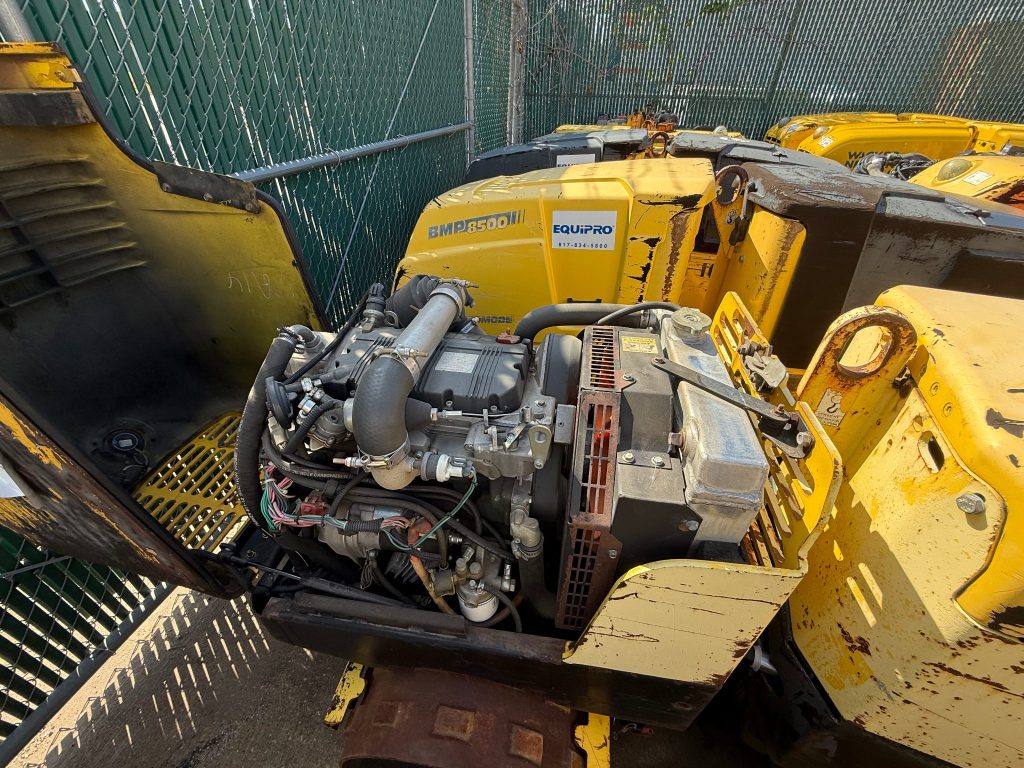
The engine is the heart of any trench roller. Proper maintenance ensures it runs efficiently and lasts longer. Regular fluid checks are vital for optimal performance.
Engine oil is crucial for lubrication and cooling. Change the oil based on the manufacturer’s recommended schedule. Always use the specified oil type to avoid engine damage.
Also, regularly inspect the air filters. Clean or replace them as needed to maintain airflow. Dirty filters can choke the engine, lowering performance and efficiency.
Ensure the fuel system is functioning correctly. Using the right fuel type is essential. Inferior or incorrect fuel can lead to significant damage and costly repairs.
Here’s a checklist for engine and fluid maintenance:
- Check and change engine oil regularly
- Inspect and clean or replace air filters
- Use the manufacturer-recommended fuel and oil
Coolant levels are equally important. Insufficient coolant can lead to overheating. Overheating can cause severe engine damage.
Addressing fluid leaks immediately is crucial. Look for oil, coolant, or fuel leaks. Any leak requires immediate repair to prevent further issues.
A proactive approach saves time and money. Keeping the engine and fluids maintained reduces unexpected downtime. It ensures the trench roller operates at peak efficiency.
For long-term projects, keep a maintenance log. Record oil changes, filter replacements, and fuel type used. This practice helps monitor maintenance needs and patterns.
Finally, consult the operator’s manual for specific fluid maintenance guidelines. Each trench roller model might have unique requirements. Following these guidelines keeps the engine in top shape, maximizing its life and efficiency.
Hydraulic System Care: Preventing Leaks and Failures

A trench roller’s hydraulic system is essential for smooth operation. Maintaining this system prevents leaks and failures that can halt productivity.
Regular inspections are vital for hydraulic health. Look for any signs of fluid leakage. Leaks often indicate worn seals or damaged hoses.
Check hydraulic fluid levels frequently. Low fluid levels can affect performance. Top up with the correct type to ensure optimal function.
A key part of hydraulic maintenance is checking the hoses. Examine them for cracks or wear. Replace any worn components promptly to prevent serious problems.
Hydraulic system care involves several crucial tasks:
- Inspect for leaks and damaged hoses
- Check and maintain correct fluid levels
- Replace worn or damaged parts immediately
Fittings and connections need proper attention. Loose fittings can lead to leaks or air entering the system. Tighten these connections as part of your routine checks.
Using the correct hydraulic fluid is crucial. The wrong type can lead to performance issues. Always follow manufacturer guidelines for fluid type and quantity.
Regular maintenance prolongs the life of the hydraulic system. It ensures that the trench roller remains reliable and efficient, contributing to fewer interruptions and less downtime on the job site.
Drum, Scraper, and Padfoot Maintenance: Ensuring Effective Trench Roller

The drum, scraper, and padfoot are crucial components of a trench roller. Proper maintenance ensures effective compaction, directly impacting project quality.
Regular cleaning of these parts can prevent buildup. Dirt and debris can compromise performance, leading to uneven compaction. A clean surface allows the roller to function optimally.
Inspect the scraper blades often. They should remain sharp and well-aligned. If the scrapers are damaged or worn, replace them to maintain efficient operation.
Padfoot inspection is also essential. Worn or damaged padfoots can reduce compaction quality. Regularly check for cracks or deformities and replace as needed.
Key maintenance steps for these components include:
- Clean drum and padfoot surfaces regularly
- Inspect scraper blades for damage and alignment
- Replace any worn or damaged padfoot parts
Proper adjustments of the scraper blade position are necessary. They should be close enough to the drum to remove debris effectively without causing damage.
Maintaining these components is essential for both safety and performance. Regular attention ensures your trench roller delivers consistent compaction, reduces wear on the machine, and extends its lifespan, making each project more efficient and cost-effective.
Electrical and Battery System Checks: Avoiding Downtime

A well-functioning electrical system is crucial for a trench roller. Electrical issues can lead to unexpected downtime, affecting project schedules.
Start with regular inspections of wires and connections. Look for signs of wear, corrosion, or damage. Faulty wiring can cause malfunctions or safety hazards.
Batteries need special attention too. Regularly check their charge levels and clean the terminals. Dirty or loose connections can prevent the roller from starting. Battery issues are often the root of operational failures.
Consider these key steps for electrical maintenance:
- Inspect wires and connections regularly
- Clean and tighten battery terminals
- Check battery charge levels consistently
Changing the battery before it reaches the end of its life reduces downtime. Always use the battery type specified by the manufacturer.
Keeping the electrical system in top shape supports reliability and efficiency. Regular checks and proper maintenance ensure that the trench roller is ready to perform whenever needed, minimizing delays and maximizing productivity.
Remote Control and Electronics: Special Considerations

Remote control trench rollers offer convenience and enhanced safety. However, they require specific maintenance to ensure reliability.
First, examine the remote control for any physical damages. Cracks or broken buttons can affect functionality. Promptly address any visible wear to prevent further damage.
The electronic components in remote control systems can be sensitive to environmental factors. Dust and moisture can impair performance, so keep the controls clean. Always store the remote in a dry, safe place when not in use.
A solid maintenance routine includes these crucial steps:
- Inspect the remote for physical damage
- Clean electronic components regularly
- Store the remote in a dry environment
Don’t forget the batteries in your remote control. Regularly check and replace them to avoid unexpected control loss. Choose high-quality batteries that match the manufacturer’s specifications.
Proper attention to remote control components guarantees smooth operations. With careful maintenance, remote control trench rollers can offer maximum efficiency and ensure worksite safety, benefiting any construction project.
Cleaning and Storage: Protecting Your Investment

Keeping your trench roller clean is vital for preventing issues. Dirt and debris can cause mechanical problems. Regular cleaning prevents this buildup.
Begin by washing your trench roller after each use. Focus on areas where dirt accumulates, like around the drum and undercarriage. Use a pressure washer carefully to reach all spots without damaging sensitive parts.
After cleaning, drying is essential. Moisture can lead to rust and corrosion, damaging critical components. Use clean, dry cloths to wipe down the machine thoroughly.
Proper storage plays a crucial role in maintenance. Always store the trench roller in a sheltered, dry area to protect it from harsh weather. Investing in a suitable cover provides extra protection from dust and moisture.
Key cleaning and storage tips include:
- Regularly wash and dry your trench roller
- Focus on high dirt-accumulation areas
- Store in dry, sheltered locations with covers
By following these steps, you maintain your investment’s integrity and performance. A clean and well-stored trench roller will function more efficiently and last longer.
Operator Training and Best Practices
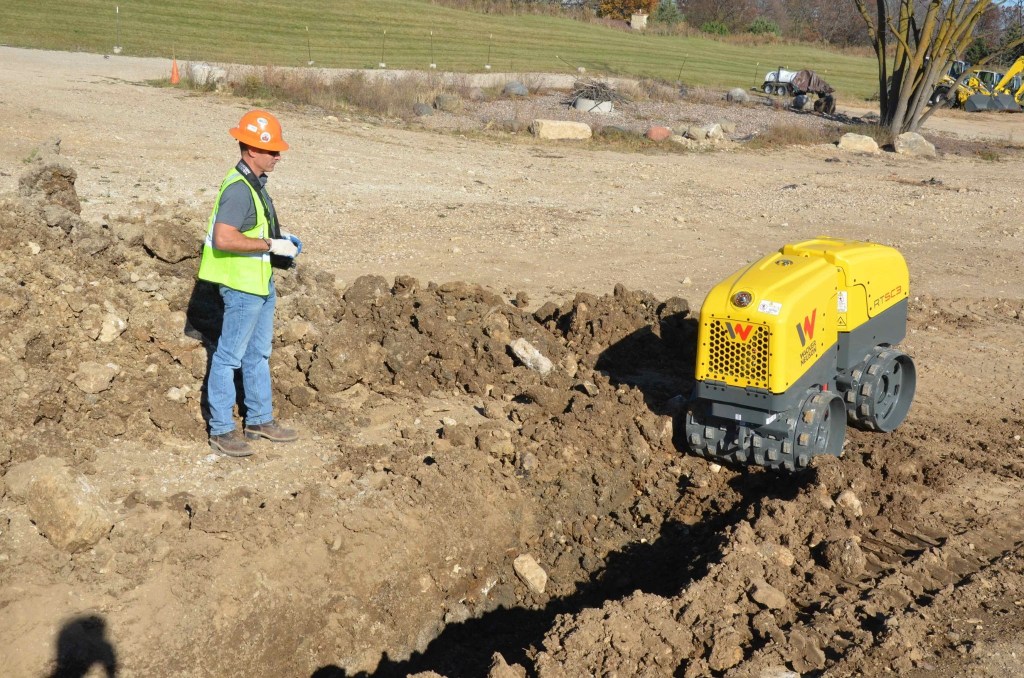
Proper operator training is crucial for trench roller longevity. Misuse by untrained operators can lead to significant wear and tear. Effective training improves both safety and machine performance.
Training should cover all machine functions. Operators should understand start-up and shutdown procedures as well as safe handling practices. They should also be aware of terrain handling and operational limits.
Implementing best practices ensures optimal machine use. Operators should always inspect equipment before use, remain attentive to surroundings, and adhere to all safety guidelines during operation. Awareness and vigilance go a long way in preventing accidents and equipment damage.
Key training practices include:
- Comprehensive training on machine functions
- Daily equipment inspections by operators
- Strict adherence to safety guidelines
Thorough operator training and adherence to best practices help extend the equipment’s life while maximizing its effectiveness on site. This investment in knowledge pays off in reduced maintenance needs and improved safety.
Maintenance Logs and Scheduling: Staying Organized

Maintaining an organized schedule is key to effective trench roller maintenance. Regular logs help track the machine’s condition and service history. This practice prevents potential issues from going unnoticed and minimizes unexpected breakdowns.
Record every maintenance activity in detail. Include dates, performed actions, and any parts replaced. Keeping meticulous logs allows you to identify recurring problems and address them promptly. This approach not only ensures equipment reliability but also enhances resale value.
A consistent schedule for maintenance tasks ensures that all necessary checks and services happen on time. Use reminders or digital tools to plan service intervals. This strategic approach reduces downtime and extends equipment life.
To effectively manage maintenance:
- Create a detailed maintenance log
- Track all service activities and dates
- Schedule regular maintenance tasks in advance
Organized maintenance practices lead to better performance and cost savings in the long run. Consistent attention to these tasks prevents costly repairs and prolongs equipment usefulness.
Professional Servicing and When to Call an Expert
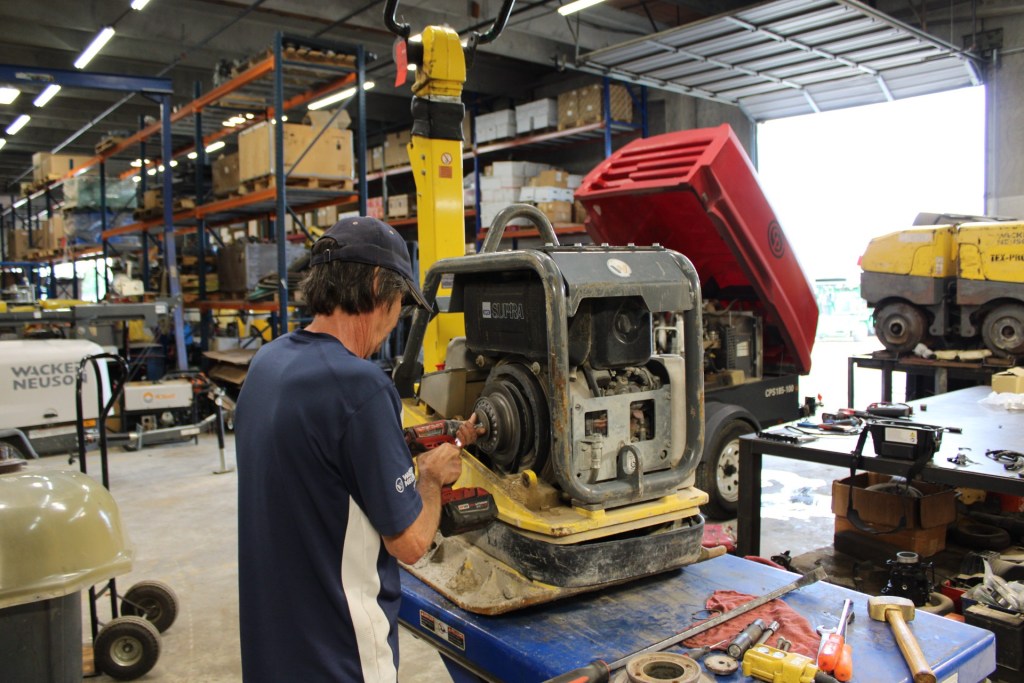
Sometimes, trench roller maintenance requires professional attention. Complex issues and major repairs are best handled by experts. This ensures the problem is properly diagnosed and repaired.
Knowing when to call an expert can save time and money. If unusual noises or performance issues persist, reach out to a trained technician. Professional servicing provides the expertise that may not be available in-house.
Involving a professional may be necessary when:
- There are persistent hydraulic leaks
- The machine shows electrical failures
- Unfamiliar error codes appear
Additionally, experts offer comprehensive inspections, ensuring nothing is overlooked. By incorporating professional servicing into your maintenance plan, you protect your investment and maintain optimal machine performance. Remember, it’s not just about repairing a single issue but ensuring overall efficiency.
Rest assure! Equipro TexPro Equipment provide you with various types of services, including Warranty Services, Authorized Service, Routine Maintenance and Complete Rebuild, done by our expert technicians with 20 years of experiences. Read more and request our services through this button :
Rental Considerations: Maintenance for Rented Trench Roller

Renting a trench roller can be a cost-effective choice for short-term projects. However, maintenance responsibilities still exist. Understanding how to maintain rented equipment is crucial for optimal performance.
Before renting, inquire about the rental company’s maintenance policies. Know your responsibilities versus what the company covers. This prevents unexpected issues during the rental period.
Here are essential steps when handling rented trench rollers:
- Inspect the trench roller thoroughly upon delivery
- Ensure all routine maintenance is documented
- Report any malfunctions immediately to the rental company
Communicate with the rental provider to resolve any mechanical problems. Handling equipment with care and adhering to these guidelines will ensure your project’s success without unnecessary downtime. Proper maintenance keeps both the project timeline and equipment condition intact.
To get high-maintaining trench roller rental with the best price and easy registration, rent Equipro TexPro’s trench roller and compcation fleet through this button :
Common Issues for Trench Roller and Troubleshooting Tips

Trench rollers, like any machine, can encounter a variety of issues. Prompt troubleshooting is key to minimizing downtime and repair costs. Identifying common problems early can prevent extensive damage.
One frequent problem is engine starting issues. Often, this is due to battery or fuel problems. Regular checks can help prevent this.
Consider these troubleshooting tips to tackle common problems:
- Inspect fuel lines for blockages or leaks
- Check the battery connections for corrosion or looseness
- Ensure the hydraulic system has no leaks
If the trench roller fails to compact properly, inspect the drums and padfoot for wear. Keep an eye on any unusual noises, as these often signal impending mechanical issues. By staying observant and proactive, minor problems can be quickly addressed, ensuring the longevity and performance of your trench roller.
Environmental and Safety Considerations in Maintenance

Maintaining trench rollers involves both environmental and safety responsibilities. Understanding these aspects is crucial for sustainable and safe operations. Proper practices minimize environmental impact and ensure compliance with regulations.
A significant environmental consideration is waste management. Used oil and filters must be disposed of according to local regulations. This prevents soil and water contamination, protecting ecosystems.
Safety is just as important during maintenance:
- Wear personal protective equipment at all times
- Ensure equipment is off and stable before maintenance
- Use proper tools to prevent accidents
Training staff in environmental practices improves awareness and compliance. It’s critical to stay updated on laws and regulations concerning equipment maintenance. A proactive approach to safety and environmental care not only protects the environment but also promotes a safer workplace, enhancing the overall project quality.
Conclusion: Maximizing the Life of Your Trench Roller
Extending the life of your trench roller requires dedication to regular maintenance. By following these guidelines, you can ensure optimal performance and longevity. It’s about preventing problems before they start.
Routine inspections are key. They help catch potential issues early. This proactive approach saves both time and money in the long run.
Training operators on best practices also plays a significant role. Proper usage and maintenance ensure the equipment remains in excellent condition. Proper training is an investment in your machine’s future.
Finally, consider professional servicing and expert advice when needed. Don’t hesitate to consult with professionals for complex repairs. This collaboration can help maintain your trench roller in peak condition. By integrating these strategies, you effectively prolong the life and functionality of your valuable trench roller equipment, ultimately ensuring your projects run smoothly and efficiently.


Leave a Reply