
Compaction Tools: Types, Functions, and How to Choose the Right One
In construction projects—whether it’s building roads, housing foundations, or landscaping—soil compaction plays a crucial role. Without proper compaction, structures may suffer from uneven settlement, cracks, or even failure over time. This is why compaction tools are essential equipment for contractors, engineers, and builders.
In this article, we’ll explore:
- What compaction tools are
- The main types and their uses
- Tips on how to choose the right compaction tool for your project
What Are Compaction Tools?
Compaction tools are machines or equipment designed to compress soil, gravel, asphalt, or other base materials. Their main purpose is to remove air voids and increase soil density, which results in:
- Stronger foundation support
- Better load-bearing capacity
- Reduced water penetration
- Longer lifespan of structures
In short, compaction tools ensure that the ground is stable enough to support heavy loads and long-term construction use.
Types of Compaction Tools
Different projects require different tools. Here are the most common types of compaction tools used in the construction industry:
1. Plate Compactors
Plate compactors are widely used for small to medium projects like driveways, sidewalks, and landscaping. They use a heavy flat plate that vibrates rapidly to compact soil and asphalt.
Best for: granular soils, paving stones, and asphalt repairs.
2. Jumping Jack Compactors (Rammers)
These tools use a high-impact tamping action to compact cohesive soils such as clay and silt. Unlike plate compactors, rammers are narrower and can fit into trenches and tight areas.
Best for: compacting cohesive soil in narrow spaces, trenches, or around foundations.
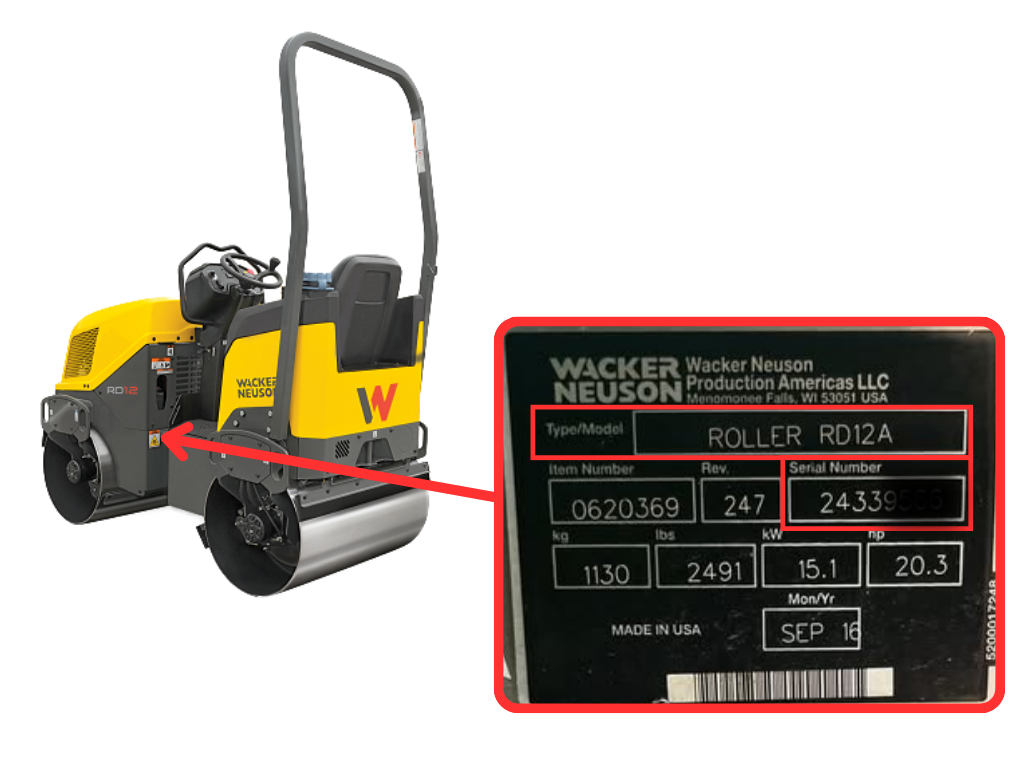
3. Road Rollers
Road rollers (also known as drum rollers) are heavy-duty compaction machines used in large-scale projects like highways, airports, and large building foundations. They come in different types:
- Smooth rollers – for finishing surfaces
- Sheepsfoot rollers – for deep compaction of cohesive soil
- Pneumatic rollers – for flexible compaction using rubber tires
Best for: large infrastructure projects and deep soil compaction.
4. Hand Tampers
The simplest compaction tool, hand tampers are manual devices used for very small jobs. They consist of a heavy flat base with a long handle, operated by human force.
Best for: DIY landscaping, small patches of soil or asphalt.
How to Choose the Right Compaction Tool
Selecting the right compaction tool depends on several factors:
- Type of Soil
- Granular soils (sand, gravel) → Plate compactor
- Cohesive soils (clay, silt) → Jumping jack/rammer
- Mixed or large-scale soils → Road roller
- Project Size
- Small DIY → Hand tamper or plate compactor
- Medium residential/commercial → Plate compactor or rammer
- Large infrastructure → Road roller
- Work Area
- Tight/narrow → Rammer
- Wide/open → Roller
Conclusion
Compaction tools may not always be the star of a construction project, but they are vital for ensuring strength, stability, and durability of any structure. By understanding the different types—plate compactors, rammers, rollers, and tampers—you can choose the right equipment that matches your soil type and project scale.
A well-compacted foundation means fewer problems in the future and a longer lifespan for your construction project.