
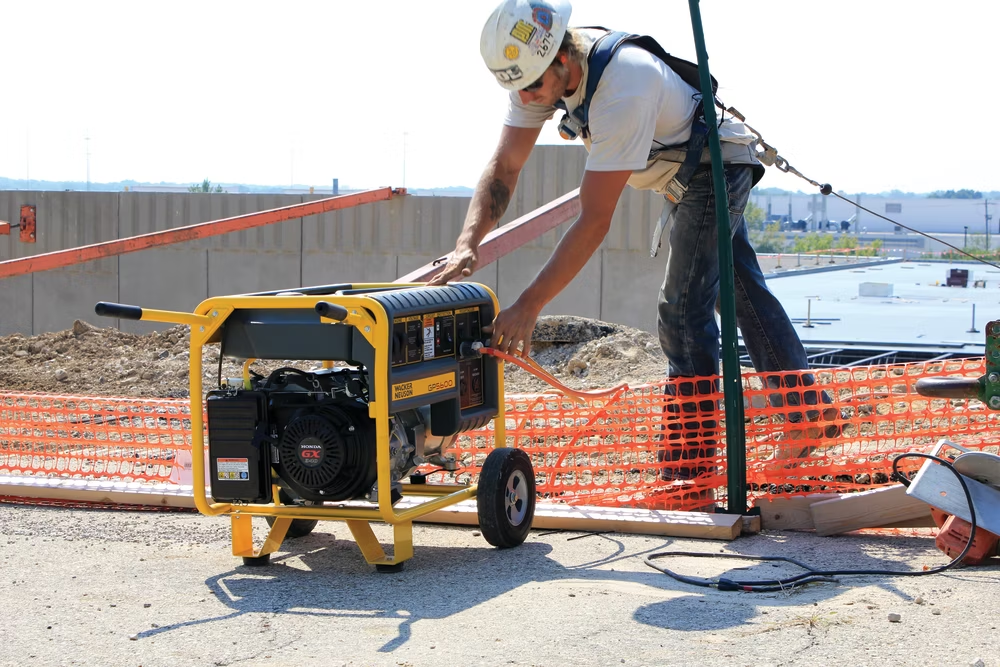
In every construction project, power is everything. From lighting and welding to running heavy machinery, a generator is often the heart of the operation—especially on remote job sites where grid electricity isn’t available.
But just like any other equipment, a generator needs proper care to stay reliable. Without maintenance, it can quickly wear out, consume more fuel, or fail during critical operations.
In this article, we’ll discuss practical tips on how to maintain generators for construction work so they last longer and perform effectively on site.
Why Generator Maintenance Is Important
A well-maintained generator ensures:
- ✅ Continuous power supply with fewer breakdowns
- 💰 Lower fuel and repair costs over time
- 🧰 Longer equipment lifespan
- 🦺 Safer operation for all workers on site
Neglecting maintenance can lead to unexpected failures, project delays, or even electrical hazards.
1. Perform Regular Inspection
Before starting any workday, inspect the generator for:
- Loose bolts or connections
- Oil and coolant leaks
- Fuel line condition
- Battery terminals and wiring
Daily or weekly visual checks help you detect problems early before they become costly repairs.
💡 Pro tip: Keep a logbook of each inspection, noting the date and any irregularities.
2. Change Engine Oil on Schedule
Oil is the lifeblood of your generator. Over time, it becomes contaminated with dirt and carbon, reducing efficiency.
- Follow the manufacturer’s recommended oil change interval (typically every 100–250 hours of use).
- Always use the recommended oil grade for your specific engine type.
- Replace the oil filter during every oil change.
Ignoring oil maintenance can cause overheating or engine seizure.
3. Keep the Air Filter Clean
Dusty and dirty construction environments can quickly clog a generator’s air filter. A clogged filter restricts airflow, making the engine work harder and consume more fuel.
- Check and clean the air filter every week or as needed.
- Replace it if it shows visible dirt buildup or damage.
A clean air filter = better fuel efficiency and smoother operation.
4. Inspect and Replace Fuel Filters
Fuel filters keep impurities from entering the engine. Dirty filters can reduce power output and damage injectors.
- Replace fuel filters regularly (usually every 250–500 hours).
- Always drain any water or sediment from the fuel tank before refueling.
Using clean, high-quality diesel also prevents premature filter clogging.
5. Check the Cooling System
Construction sites are often hot and dusty, which puts extra stress on the cooling system.
- Maintain proper coolant levels.
- Clean the radiator fins regularly to prevent overheating.
- Make sure the fan belt has proper tension and no cracks.
Overheating is one of the most common causes of generator failure—so keeping your cooling system in good shape is crucial.
6. Test the Battery
A dead battery is a common reason generators fail to start.
- Clean the terminals and apply anti-corrosion grease.
- Check the electrolyte levels (for non-sealed batteries).
- Test the battery voltage regularly.
Consider replacing the battery every 2–3 years, depending on usage.
7. Run the Generator Regularly
If your generator isn’t used daily, make sure to run it at least once a week for 15–30 minutes.
This helps:
- Lubricate internal parts
- Keep the battery charged
- Prevent fuel from going stale
8. Store It Properly
When not in use for long periods:
- Drain old fuel or add a fuel stabilizer
- Store in a dry, covered place
- Disconnect the battery
- Cover openings to prevent dust and insects
Proper storage prevents corrosion and ensures the generator is ready when needed.
9. Follow OEM Maintenance Guidelines
Always follow the manufacturer’s service schedule for oil changes, part replacements, and inspections. OEM guidelines are designed specifically for your generator’s model, ensuring it performs at its best.
If possible, have your generator serviced by an authorized OEM service center — they have trained technicians and genuine parts to guarantee quality maintenance.
Conclusion
A generator is a critical asset on any construction site — and like any investment, it deserves proper care.
By performing regular inspections, cleaning filters, changing oil on time, and following OEM guidelines, you can ensure your generator:
- Runs efficiently,
- Lasts longer,
- And keeps your project running without interruption.
Remember: a well-maintained generator saves time, money, and energy — while keeping your construction site powered and productive.